
Strategic gameplay within chicken road balances risk versus potential profit opportunities
- Strategic gameplay within chicken road balances risk versus potential profit opportunities
- Understanding the Core Mechanics of Risk and Reward
- The Role of Probability in Strategic Advancement
- The Psychology of Stopping: Recognizing Your Limit
- Adapting to Dynamic Environments and Changing Odds
- Utilizing Game Theory for Optimal Play
- The Allure of the Unknown and the Thrill of the Chase
- Beyond the Game: Applying the Lessons to Real-Life Scenarios
Strategic gameplay within chicken road balances risk versus potential profit opportunities
The concept of a calculated risk, where each step forward offers increased reward but also escalating danger, is beautifully encapsulated in the simple idea of guiding a chicken across a treacherous path. This path, often referred to as a “chicken road,” represents a game of strategic decision-making, demanding players to weigh potential gains against the looming threat of failure – the unfortunate fate of the chicken. It’s a metaphor for many life scenarios, from financial investments to career choices, where the allure of greater benefit comes hand-in-hand with increased vulnerability.
This seemingly straightforward game requires a surprising amount of foresight and understanding of probability. The thrill isn't necessarily in reaching the end, but in navigating the challenges and maximizing the reward for as long as possible. It’s about understanding your risk tolerance, recognizing patterns, and knowing when to stop before pushing your luck too far. The “chicken road” is a compelling illustration of the tension between ambition and prudence, showcasing a core human fascination with both chance and control.
Understanding the Core Mechanics of Risk and Reward
At its heart, the “chicken road” game is a direct representation of a risk-reward curve. Each step taken increases the potential winnings, but concurrently elevates the probability of encountering a hazard that ends the game. This dynamic forces players into a constant evaluation of their current position and future prospects. A key element influencing decision-making is the understanding that earlier steps generally offer lower rewards but also lower risk. Conversely, venturing further down the path promises significant payouts, but with a heightened chance of immediate termination. Successful players aren’t simply driven by greed; they are adept at assessing the evolving probabilities and adjusting their strategy accordingly.
The psychological aspect of the game is also crucial. As players progress, they may experience a phenomenon known as loss aversion, where the pain of losing accumulated winnings becomes more significant than the joy of gaining further rewards. This can lead to increasingly cautious behavior, prompting players to cash out before reaching the maximum potential payout. Alternatively, some players may fall prey to the sunk cost fallacy, continuing to advance despite mounting risks because they’ve already invested significant effort and resources into the game. Understanding these cognitive biases is pivotal to making rational decisions throughout the journey.
The Role of Probability in Strategic Advancement
The foundation of optimal gameplay rests on a solid grasp of probability. While the exact nature of the hazards along the “chicken road” may vary – from hidden traps to unexpected obstacles – the underlying principle remains constant: each step carries a certain risk of failure. Estimating this risk, even roughly, is crucial. Experienced players will attempt to identify patterns or subtle cues that hint at the likelihood of encountering a hazard. This might involve observing the frequency of previous obstacles or noticing changes in the environment. By combining this observational data with a basic understanding of probability, players can make more informed decisions about whether to proceed, retreat, or cash out their winnings.
A crucial understanding is that previous results don't guarantee future outcomes; the game typically operates on independent events. However, analyzing past performance can still provide valuable insights into the general risk profile of the road. For example, if the initial steps are consistently safe, a player might be inclined to advance further, believing that the early portion of the path is relatively benign. Conversely, a series of near misses might signal a more treacherous path ahead, prompting a more conservative approach.
| Step Number | Potential Winnings | Estimated Risk (% Chance of Failure) | Cumulative Winnings (Assuming No Failure) |
|---|---|---|---|
| 1 | $1 | 5% | $1 |
| 2 | $3 | 10% | $4 |
| 3 | $6 | 15% | $10 |
| 4 | $10 | 20% | $20 |
| 5 | $15 | 25% | $35 |
The table above illustrates a simplified example of how risk and reward escalate with each step. It’s important to note that the actual values will vary depending on the specific implementation of the "chicken road" game, but the underlying principle remains the same.
The Psychology of Stopping: Recognizing Your Limit
Perhaps the most challenging aspect of the “chicken road” isn't progressing forward, but knowing when to stop. The temptation to continue, fueled by the prospect of even greater rewards, can be overpowering. This is where self-awareness and discipline come into play. A crucial skill is establishing a pre-defined target profit or maximum loss limit. Once these thresholds are reached, it’s imperative to resist the urge to chase further gains or recoup losses. Sticking to a predetermined strategy, even when faced with setbacks, is a hallmark of successful players. The emotional toll of the game can also significantly impact decision-making. Fear, greed, and overconfidence can all cloud judgment, leading to impulsive choices.
The concept of "regret aversion" also plays a role. Players may continue onward, not necessarily because they believe it’s the optimal strategy, but because they fear regretting the missed opportunity if they stop prematurely. Overcoming this psychological hurdle requires a shift in mindset, recognizing that occasional missed opportunities are an inevitable part of the game and that preserving capital is paramount. Furthermore, the sunk cost fallacy can cause players to double down on losing streaks, hoping to recover their initial investment. However, continuing to invest in a failing strategy is often the quickest path to complete loss.
- Define Your Risk Tolerance: Understand how much you are willing to lose before starting.
- Set Profit Targets: Establish a specific profit goal, and cash out when it's reached.
- Accept Losses: Recognize that losses are a natural part of the game. Don’t chase them.
- Stick to Your Strategy: Avoid impulsive decisions based on emotions.
- Practice Discipline: Resist the temptation to deviate from your pre-defined plan.
Mastering the art of stopping isn't about being timid; it's about being strategic. It's about recognizing the point of diminishing returns and prioritizing long-term sustainability over short-term gains. A wily player understands that a modest, consistent profit is far more valuable than a fleeting opportunity for a substantial windfall.
Adapting to Dynamic Environments and Changing Odds
The “chicken road” isn’t typically static; the hazards and rewards can change dynamically, requiring players to constantly adapt their strategies. This might involve alterations in the frequency of traps, shifts in the payout structure, or even the introduction of new challenges. Successful players are vigilant observers, paying close attention to these environmental cues and adjusting their approach accordingly. A rigid, inflexible strategy is likely to fail in a dynamic environment. The ability to quickly analyze new information and make informed decisions is crucial. This could involve increasing caution, lowering profit targets, or even temporarily abandoning the path altogether.
Furthermore, understanding the psychology of others, if the game involves multiple players, can offer a competitive advantage. Observing the behavior of other players – their risk tolerance, their strategies, their emotional reactions – can provide valuable insights into the overall dynamics of the game. For example, if several players are consistently pushing their luck, it might indicate that the current phase of the path is relatively safe. Conversely, if players are rapidly cashing out, it could be a warning sign of impending danger. The "chicken road" frequently simulates real-world scenarios involving market fluctuations and competitive pressures where adaptability and insight are key.
Utilizing Game Theory for Optimal Play
While the “chicken road” may seem simple, it can be analyzed through the lens of game theory, particularly concepts like Nash Equilibrium. In a multi-player scenario, the Nash Equilibrium represents a stable state where no player can improve their outcome by unilaterally changing their strategy, assuming other players maintain theirs. Identifying this equilibrium can help players understand the optimal approach in different situations. For example, if the risk of failure is high and the potential reward is moderate, the Nash Equilibrium might involve a conservative strategy of cashing out early and securing a small profit.
However, applying game theory to the “chicken road” is often complicated by factors like incomplete information and the unpredictable behavior of other players. In such cases, a more pragmatic approach is to focus on maximizing expected value, the average outcome of a strategy over the long run. This involves carefully weighing the potential rewards against the probability of failure and choosing the option that offers the highest anticipated return.
- Observe and Analyze: Pay attention to the evolving dynamics of the game.
- Assess Risk-Reward Ratios: Continuously evaluate the potential gains and losses.
- Adapt Your Strategy: Be willing to adjust your approach based on changing conditions.
- Consider Opponent Behavior: If applicable, analyze the actions of other players.
- Prioritize Expected Value: Focus on maximizing your long-term return.
The Allure of the Unknown and the Thrill of the Chase
Beyond the strategic considerations, the “chicken road” holds a deeper appeal stemming from our inherent fascination with risk and the unknown. The thrill of potentially winning big, combined with the ever-present danger of losing it all, creates a compelling emotional experience. It’s a microcosm of life itself, where uncertainty is the only constant. This psychological draw explains the enduring popularity of games of chance, from lotteries to casino games, and why the “chicken road” resonates with so many people.
The game also taps into our innate desire for control. By carefully navigating the challenges and making calculated decisions, players feel a sense of agency in a world often characterized by randomness. Even when faced with inevitable setbacks, the act of strategizing and adapting can be empowering. This pursuit of control, combined with the adrenaline rush of risk-taking, is a powerful motivator that keeps players engaged and coming back for more.
Beyond the Game: Applying the Lessons to Real-Life Scenarios
The principles inherent in the “chicken road” extend far beyond the realm of gaming. The need to assess risk, balance potential rewards, and know when to stop are fundamental to success in virtually any endeavor, from investing and entrepreneurship to personal relationships and career advancement. The game provides a low-stakes environment to practice these skills, allowing players to refine their decision-making abilities and develop a more nuanced understanding of risk tolerance. Consider the world of venture capital, where investors must carefully evaluate the potential of startups, balancing the high risk of failure against the possibility of exponential returns. The lessons learned on the “chicken road” can be directly applied to this scenario, informing investment decisions and mitigating potential losses.
Ultimately, the “chicken road” serves as a valuable reminder that life is a constant negotiation between opportunity and danger. By embracing a strategic mindset, cultivating self-awareness, and understanding the dynamics of risk and reward, we can navigate the challenges of life with greater confidence and achieve our goals more effectively. It’s a game that teaches us not just how to win, but how to play – and when to walk away.
Επιτυχημένες_στοιχηματικές_ευκαιρίες_και_sp
Ενδιαφέροντα_στοιχήματα_και_https_spingrannycasino_gr
Εξερεύνηση_των_δυνατοτήτων_και_των_μυστικώ-45599200

Niat hati ingin melindungi mobil dari terik matahari dan hujan, eh malah body mobil menguning. Kasus seperti ini sangat sering terjadi gara-gara salah memilih cover atau sarung mobil....

Panduan Memilih Cover Mobil & Sarung Mobil Outdoor Terbaik
Banyak pemilik mobil di Indonesia yang terpaksa memarkir kendaraannya di luar ruangan (outdoor) karena keterbatasan area garasi tertutup. Berhadapan langsung dengan panas terik matahari yang menyengat, lalu tiba-tiba...

Panduan Ganti Aki Mobil Sendiri dengan Aman
Aki mobil adalah salah satu komponen vital yang memastikan kendaraan dapat menyala dan semua perangkat listrik bekerja dengan baik. Ketika aki mulai melemah atau rusak, mobil bisa sulit...

Mesin Mobil Overheat? Jangan Sampai Salah Pilih Oli! Ini Dia Jenis-Jenis Oli Mesin Mobil dan Fungsinya
Mesin mobil yang cepat panas atau overheat tidak hanya disebabkan oleh radiator yang bermasalah—pemilihan oli mesin yang tidak tepat juga bisa jadi penyebab utamanya. Oli memegang peranan penting...

Beli Mobil Bekas Ini Agar Tidak Menyesal! Panduan untuk Pemula: Checklist Lengkap Tahun 2025
Membeli mobil bekas masih menjadi pilihan favorit banyak orang di Indonesia karena harganya lebih terjangkau namun tetap bisa memberikan kenyamanan dan fungsionalitas yang baik. Namun, membeli mobil bekas...

Lebih Worth It yang Mana? Perbandingan Mobil Listrik vs Hybrid
Mobil listrik dan mobil hybrid kini menjadi pilihan populer di Indonesia, terutama bagi pengguna yang ingin kendaraan lebih hemat dan ramah lingkungan. Keduanya menawarkan teknologi modern, namun memiliki...

Kelebihan dan Kekurangan Mobil Hybrid untuk Jalanan Indonesia
Mobil hybrid semakin populer di Indonesia karena dianggap sebagai solusi transisi sebelum beralih sepenuhnya ke kendaraan listrik. Teknologi yang menggabungkan mesin bensin dan motor listrik ini menawarkan efisiensi...
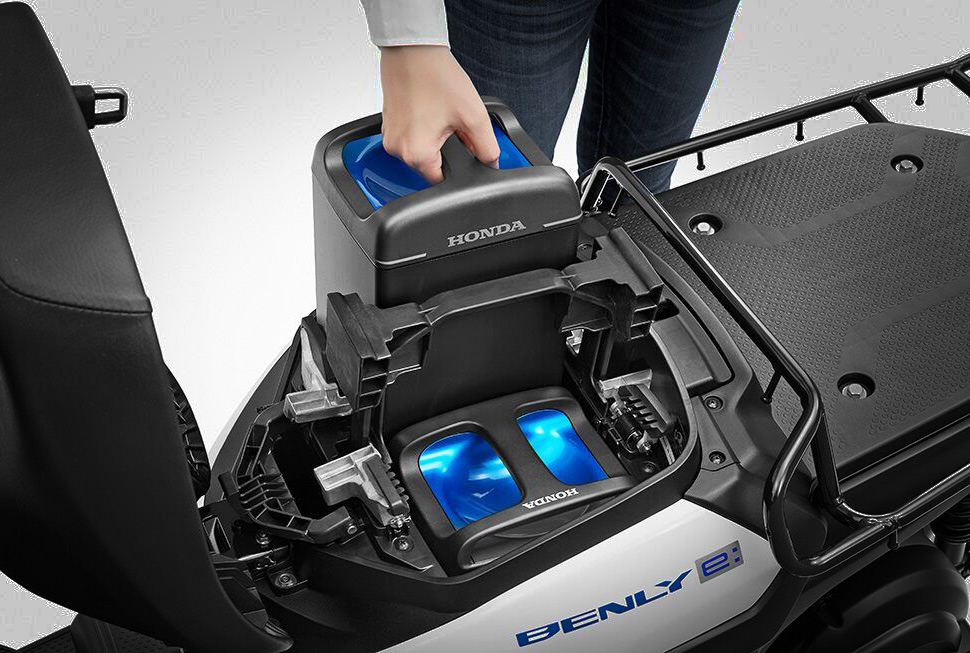
Cara Merawat Baterai Motor Listrik agar Tidak Cepat Soak
Baterai adalah komponen paling penting pada motor listrik karena menjadi sumber utama tenaga untuk menggerakkan motor. Umumnya motor listrik di Indonesia menggunakan baterai jenis lithium-ion, yang memang tahan...

Daftar Mobil Listrik Terbaik 2025 di Indonesia: Harga, Jarak Tempuh, dan Fitur
Mobil listrik semakin populer di Indonesia berkat dukungan insentif pemerintah, biaya operasional yang lebih murah, dan semakin...
El trasfondo normativo y la búsqueda de horizontes globales
El mundillo de las apuestas online ha cambiado una barbaridad este año. Ya no vale con entrar en la primera página que te sale en Google o dejarse...
Η άνοδος της Paysafecard στα ελληνικά casino
Κοιτάξτε, ας είμαστε απόλυτα ειλικρινείς μεταξύ μας. Ο κόσμος του διαδικτυακού τζόγου στην Ελλάδα έχει αλλάξει ρίζες, δομή και πρόσωπο τα τελευταία χρόνια, και όχι απαραίτητα με τον...

Di tengah persaingan global yang makin ketat, perjanjian dagang Indonesia-Uni Eropa atau dikenal dengan Comprehensive Economic Partnership Agreement (CEPA) menjadi titik balik penting dalam memperkuat posisi Indonesia di...

Merek Mobil Terlaris di Indonesia Juni 2025: Toyota Unggul, Wuling Air EV & Chery Melesat
Industri otomotif Indonesia di pertengahan tahun 2025 menunjukkan dinamika persaingan yang semakin ketat. Data penjualan nasional bulan Juni mencatat bahwa Toyota masih memimpin sebagai merek mobil terlaris, namun...
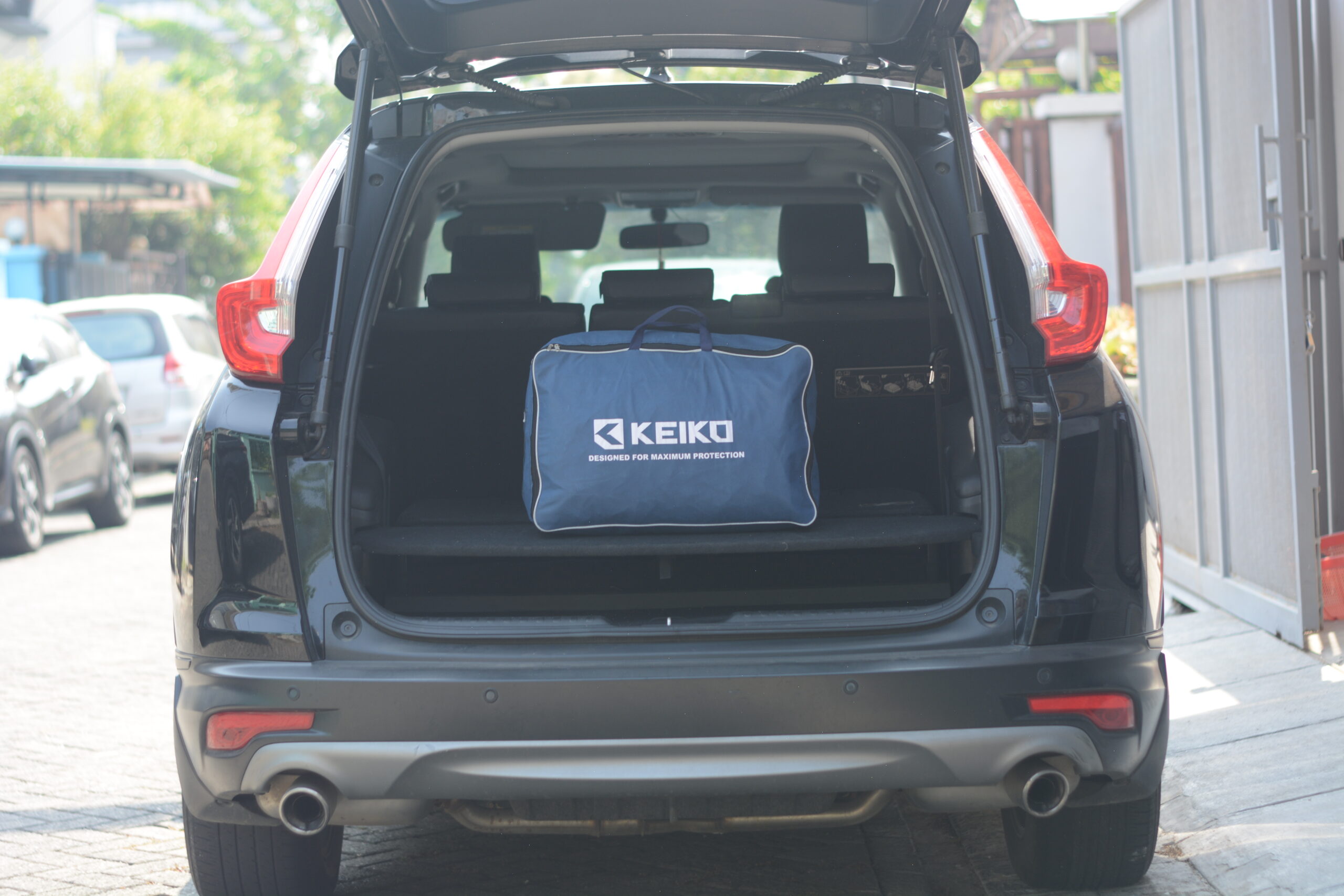
Jangan Sampai Mobil Jadi Gerobak! Ini 5 Tips Melindungi Mobil Anda Saat Hujan di Musim Kemarau
Meski seharusnya sudah memasuki musim kemarau, beberapa wilayah di Indonesia masih sering diguyur hujan secara tiba-tiba. Kondisi cuaca yang tidak menentu ini bisa berdampak langsung pada kondisi mobil...
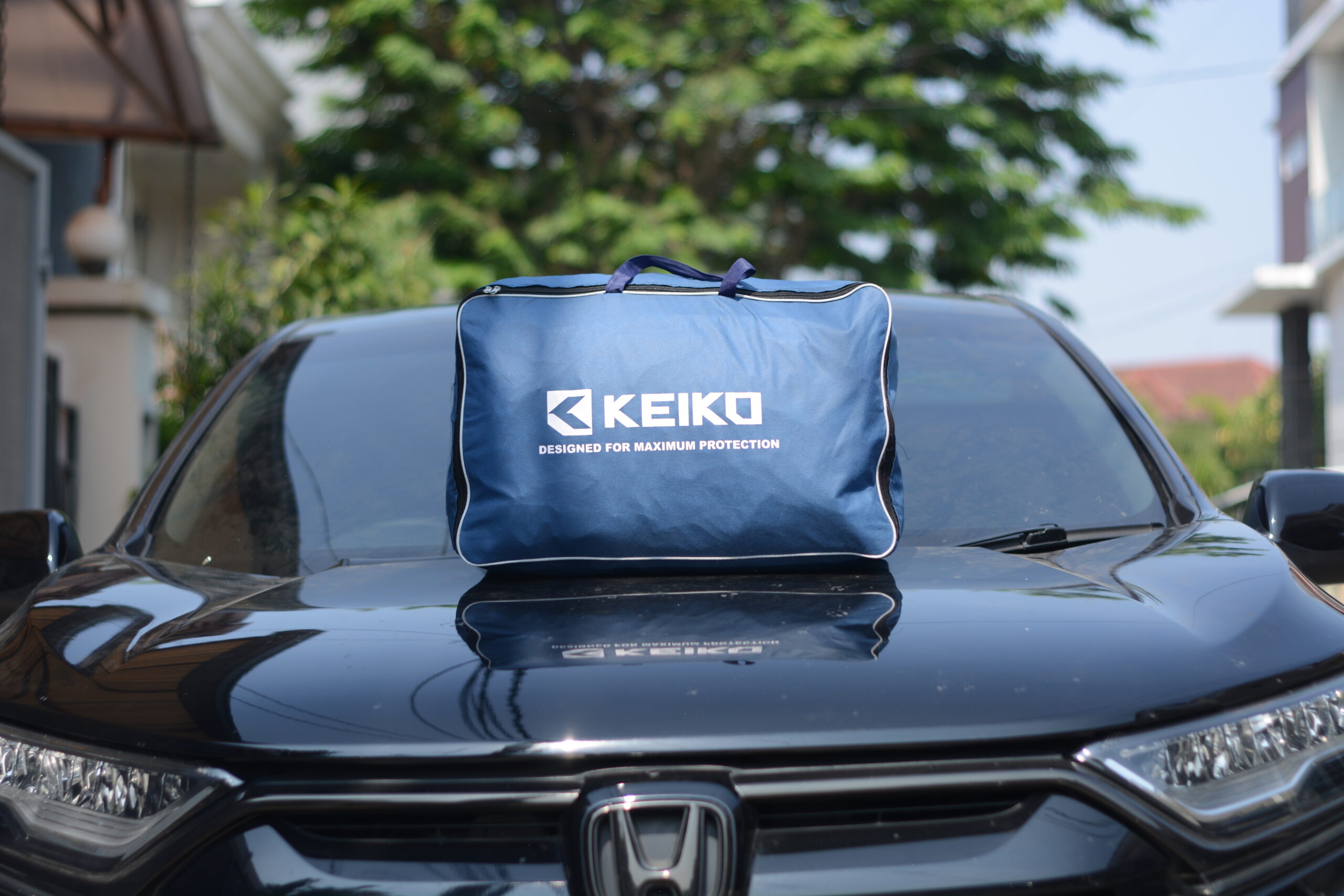
Indonesia dikenal dengan iklim tropisnya yang panas dan lembap, terutama di kota-kota besar seperti Jakarta, Surabaya, dan Medan. Jika Anda sering memarkir mobil di luar ruangan, maka cover...

9 Hal Kecil yang Diam-Diam Bikin Mobil Kamu Cepat Rusak (Nomor 4 Pasti Pernah Kamu Alami)
Jika Anda belum menggunakan sarung mobil, perhatikan gejala ini di kendaraan Anda:
1. Cat Pudar dan Tidak Mengilap Lagi
Sinar matahari langsung bisa merusak lapisan clear coat mobil. Hasilnya, cat...

Bingung Pilih Cover Mobil Terbaik yang Pas Untuk Indoor atau Outdoor? Coba Simak Tips ini!
Pernah Mengalami Masalah Ini?
Bayangkan Anda baru saja mencuci mobil, tetapi keesokan harinya hujan turun dan mobil kembali kotor. Atau mungkin Anda sering memarkir kendaraan di luar dan khawatir...

Sarung Mobil: Perlindungan Optimal untuk Kendaraan Anda
Sarung mobil adalah aksesori penting bagi pemilik kendaraan yang ingin melindungi mobil mereka dari berbagai elemen yang dapat merusak. Dari sinar matahari yang terik hingga hujan lebat, sarung...
Vavada online casino
Обзор казино Vavada автоматы бонусы игры в 2026
Бонусные коды joycasino
Vavada link belépés és regisztráció lépései
Opinie o ofertach i grach w kasynie Vavada
Mengapa Keiko?

ALL-WEATHER SHIELD
Lindungi kendaraan anda dari panas terik hingga hujan deras.

TERLINDUNG DARI CAKARAN BINATANG
Penggunaan material yang lebih premium berikan perlindungan ekstra dari cakaran binatang.

UKURAN PRESISI
Dirancang dengan ukuran yang presisi untuk berbagai tipe kendaraan.

3-LAYERS PROTECTION
Tiga lapisan perlindungan berikan proteksi dari debu, air, dan sinar UV.

CEPAT & MUDAH DIPASANG
Praktis & mudah dipasang sendiri dalam hitungan detik
