
Sensible trading platforms incorporating kalshi offer investors novel opportunities now
- Sensible trading platforms incorporating kalshi offer investors novel opportunities now
- Understanding Event-Based Contracts and Their Mechanics
- The Role of Regulation in Event-Based Trading
- Advantages and Disadvantages of Trading on These Platforms
- Risk Management Strategies for Event-Based Trading
- The Future of Event-Based Trading
- The Convergence of Prediction Markets and Traditional Finance
- Applications Beyond Financial Markets
Sensible trading platforms incorporating kalshi offer investors novel opportunities now
kalshi. The financial landscape is constantly evolving, with new platforms and instruments emerging to offer investors diverse opportunities. Among these, platforms incorporating
The appeal of these types of trading platforms lies in their transparency, accessibility, and potential for high returns. Unlike traditional markets, which can be opaque and dominated by institutional investors, these platforms often provide a more level playing field for individual participants. The ability to trade on the probability of specific events unfolding can also be seen as a form of informed speculation, where individuals can leverage their knowledge and insights to potentially profit from their accurate predictions. The growing interest in these novel markets reveals a demand for alternative investment options and a willingness to embrace innovative financial technologies.
Understanding Event-Based Contracts and Their Mechanics
At the heart of platforms incorporating
The Role of Regulation in Event-Based Trading
The regulatory landscape surrounding event-based contracts is complex and evolving. Because these markets are relatively new, regulators are still grappling with how best to oversee them. In the United States, the Commodity Futures Trading Commission (CFTC) has been actively involved in establishing regulations for these platforms. The key concern for regulators is ensuring fair trading practices, preventing manipulation, and protecting investors. Proper regulation is crucial for fostering confidence in these markets and promoting their long-term sustainability. A lack of clear regulatory guidelines can stifle innovation and create opportunities for fraudulent activities. The introduction of these platforms has prompted a continuous dialogue between innovators and regulators aiming to achieve a balance between fostering financial innovation and maintaining market integrity. Effective oversight is also essential for minimizing systemic risks and preventing the emergence of disruptive practices that could threaten the broader financial system.
| Contract Type | Payout Structure | Market Risk | Regulatory Oversight |
|---|---|---|---|
| Yes/No Contract | $100 payout if event occurs, $0 if it doesn't | High – sensitive to event timing and probability | Increasing, varies by jurisdiction |
| Range Contract | Payout based on where the outcome falls within a defined range | Moderate – depends on range width and outcome dispersion | Moderate, often treated as derivatives |
Understanding the nuances of these regulations isn’t just for platform operators and legal teams; all participants should be aware of the rules governing their trading activities. This awareness can help investors make informed decisions and avoid potential legal or financial pitfalls.
Advantages and Disadvantages of Trading on These Platforms
Trading on platforms incorporating these markets offers several advantages over traditional investment options. The potential for high returns is a significant draw, as is the ability to profit from both rising and falling probabilities. The contracts often have low minimum investment requirements, making them accessible to a broader range of investors. The direct link between trading outcomes and real-world events can also be intellectually stimulating for those who enjoy following current affairs and applying their analytical skills. The transparency of the markets, coupled with relatively low transaction costs, adds to the appeal. However, these platforms are not without their drawbacks. The inherent volatility of event-based contracts means that traders can experience significant losses if their predictions are incorrect. Liquidity can also be a concern, particularly for less popular contracts, making it difficult to enter or exit positions quickly. The regulatory uncertainty surrounding these markets adds another layer of risk for investors.
Risk Management Strategies for Event-Based Trading
Given the inherent risks associated with these markets, effective risk management is paramount. Diversification is crucial; avoiding concentrating investments in a single contract or event is essential. Implementing stop-loss orders can help limit potential losses, automatically closing positions when prices reach a predetermined level. Carefully analyzing the underlying event and assessing the market’s consensus view is also vital. Traders should consider factors that could influence the outcome of the event, such as political developments, economic data releases, and unforeseen circumstances. Thorough research and a disciplined approach to trading are critical for success. Moreover, investors must understand their own risk tolerance and only invest what they can afford to lose. The emotional aspect of trading should also be carefully considered, avoiding impulsive decisions based on fear or greed.
- Diversify your portfolio across multiple events.
- Utilize stop-loss orders to limit potential losses.
- Conduct thorough research before entering a trade.
- Understand your risk tolerance and invest accordingly.
- Avoid making emotional trading decisions.
Employing these strategies can substantially mitigate the risks associated with trading these contracts and improve the overall likelihood of achieving positive results.
The Future of Event-Based Trading
The event-based trading landscape is poised for continued growth and innovation. As these platforms become more established and regulations become clearer, they are likely to attract a wider range of investors and institutions. The integration of artificial intelligence and machine learning could further enhance the analytical capabilities of traders, enabling them to identify profitable opportunities more effectively. The development of new contract types and markets is also anticipated, expanding the scope of possibilities for investors. We can also expect to see greater collaboration between traditional financial institutions and platforms offering these services, leading to the creation of hybrid products that combine the best features of both worlds. The increasing availability of data and analytical tools will empower both individual and institutional traders with deeper insights into market dynamics.
The Convergence of Prediction Markets and Traditional Finance
The convergence of prediction markets and traditional finance represents a significant trend with the potential to reshape the financial industry. These platforms offer a unique way to harness the wisdom of crowds and aggregate information about future events. This information can be valuable for a wide range of applications, including risk management, forecasting, and investment decision-making. By incorporating insights from these markets into traditional financial models, institutions can improve their accuracy and identify opportunities that might otherwise be missed. The use of event-based contracts as a hedging tool is also gaining traction, allowing investors to protect themselves against potential losses from unforeseen events. This type of synergy has the potential to increase market efficiency and improve overall risk management within the broader financial system. The transparency and immediacy of information in these markets offer a valuable complement to the often slower and more opaque processes of traditional analysis.
- Increased Institutional Participation
- Expansion of Contract Types
- Integration of AI and Machine Learning
- Enhanced Regulatory Clarity
- Greater Market Liquidity
These developments collectively suggest a promising future for event-based trading and its potential to revolutionize the way we think about risk, prediction, and investment.
Applications Beyond Financial Markets
The utility of platforms featuring event-based trading extends far beyond purely financial applications. The ability to accurately forecast future events has significant implications for fields such as political science, public health, and disaster preparedness. For example, these platforms could be used to forecast election outcomes, predict the spread of infectious diseases, or assess the risk of natural disasters. The insights generated from these markets could help policymakers make more informed decisions and allocate resources more effectively. Furthermore, these platforms can serve as valuable tools for organizations seeking to understand public opinion or gauge the likelihood of specific events impacting their operations. The ability to crowdsource predictions and insights from a diverse range of participants can lead to more accurate and reliable forecasts, ultimately benefiting society as a whole. Beyond forecasting, these platforms facilitate research into behavioral economics and decision-making under uncertainty.
The data generated from trading activity provides a wealth of information about how people perceive risk, assess probabilities, and react to new information. Researchers can leverage this data to gain a deeper understanding of human behavior and improve our ability to predict future events. This knowledge can then be applied to a wide range of fields, from marketing and advertising to public policy and risk management. The potential for these platforms to contribute to our understanding of human behavior and societal dynamics is significant and warrants further exploration. Exploring these applications opens new avenues for innovation and demonstrates the broad relevance of these emerging markets.
Επιτυχημένες_στοιχηματικές_ευκαιρίες_και_sp
Ενδιαφέροντα_στοιχήματα_και_https_spingrannycasino_gr
Εξερεύνηση_των_δυνατοτήτων_και_των_μυστικώ-45599200

Niat hati ingin melindungi mobil dari terik matahari dan hujan, eh malah body mobil menguning. Kasus seperti ini sangat sering terjadi gara-gara salah memilih cover atau sarung mobil....
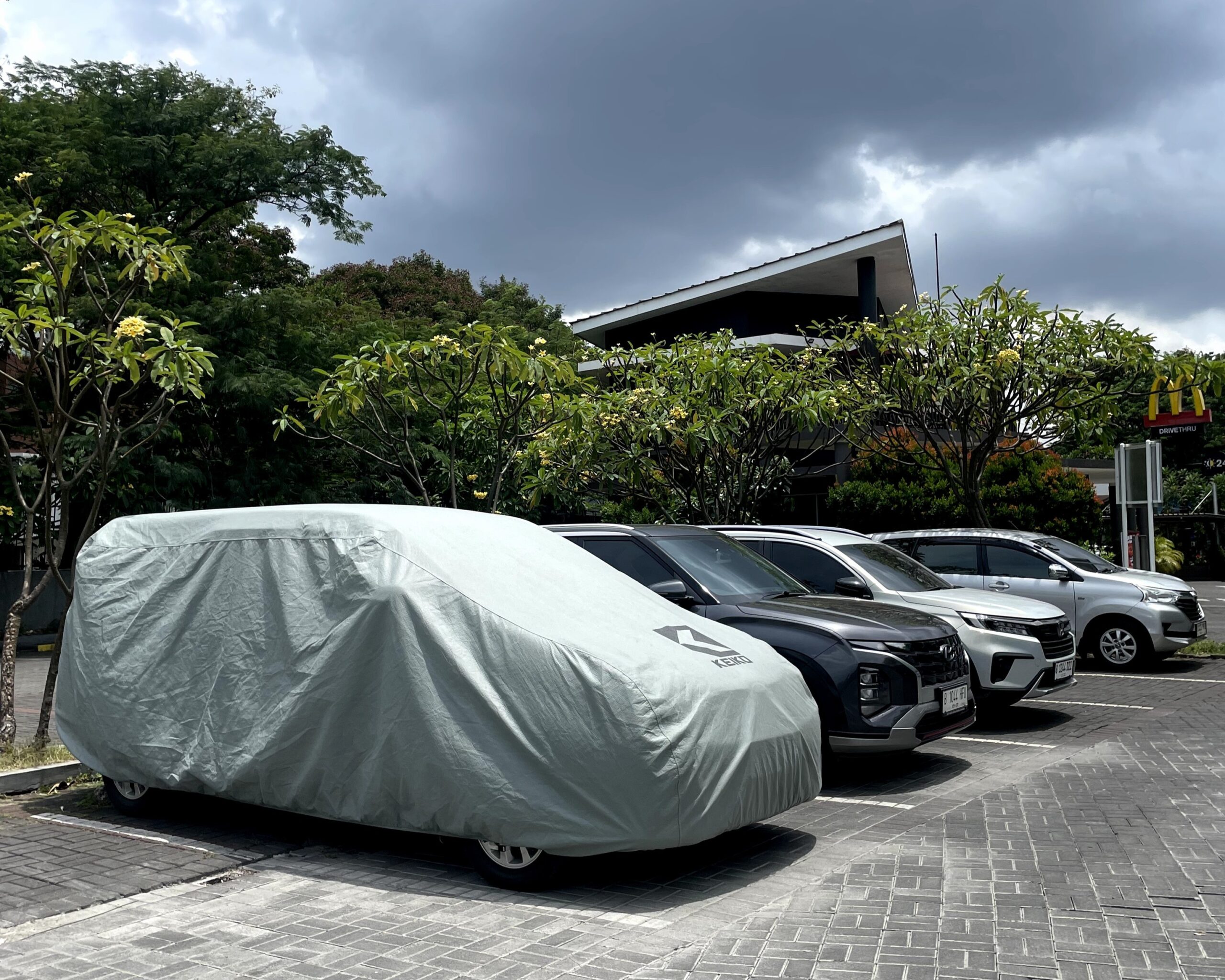
Panduan Memilih Cover Mobil & Sarung Mobil Outdoor Terbaik
Banyak pemilik mobil di Indonesia yang terpaksa memarkir kendaraannya di luar ruangan (outdoor) karena keterbatasan area garasi tertutup. Berhadapan langsung dengan panas terik matahari yang menyengat, lalu tiba-tiba...

Panduan Ganti Aki Mobil Sendiri dengan Aman
Aki mobil adalah salah satu komponen vital yang memastikan kendaraan dapat menyala dan semua perangkat listrik bekerja dengan baik. Ketika aki mulai melemah atau rusak, mobil bisa sulit...

Mesin Mobil Overheat? Jangan Sampai Salah Pilih Oli! Ini Dia Jenis-Jenis Oli Mesin Mobil dan Fungsinya
Mesin mobil yang cepat panas atau overheat tidak hanya disebabkan oleh radiator yang bermasalah—pemilihan oli mesin yang tidak tepat juga bisa jadi penyebab utamanya. Oli memegang peranan penting...
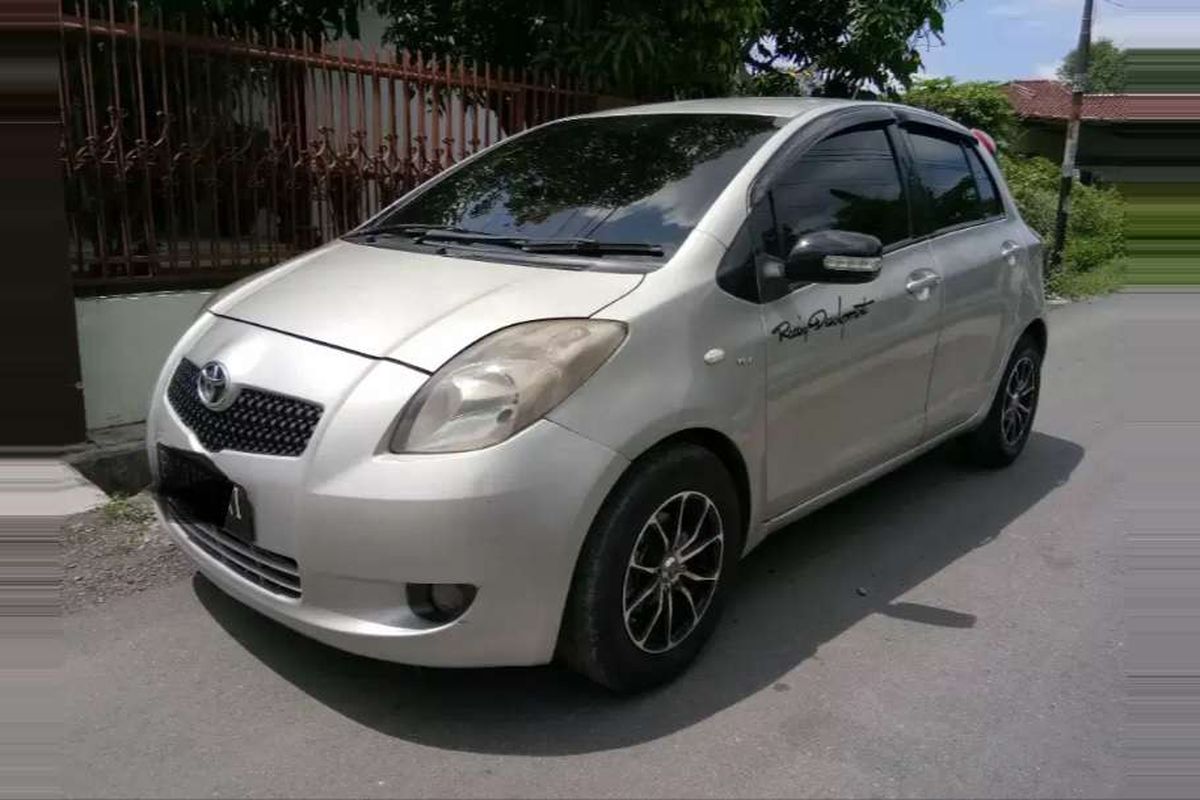
Beli Mobil Bekas Ini Agar Tidak Menyesal! Panduan untuk Pemula: Checklist Lengkap Tahun 2025
Membeli mobil bekas masih menjadi pilihan favorit banyak orang di Indonesia karena harganya lebih terjangkau namun tetap bisa memberikan kenyamanan dan fungsionalitas yang baik. Namun, membeli mobil bekas...

Lebih Worth It yang Mana? Perbandingan Mobil Listrik vs Hybrid
Mobil listrik dan mobil hybrid kini menjadi pilihan populer di Indonesia, terutama bagi pengguna yang ingin kendaraan lebih hemat dan ramah lingkungan. Keduanya menawarkan teknologi modern, namun memiliki...

Kelebihan dan Kekurangan Mobil Hybrid untuk Jalanan Indonesia
Mobil hybrid semakin populer di Indonesia karena dianggap sebagai solusi transisi sebelum beralih sepenuhnya ke kendaraan listrik. Teknologi yang menggabungkan mesin bensin dan motor listrik ini menawarkan efisiensi...
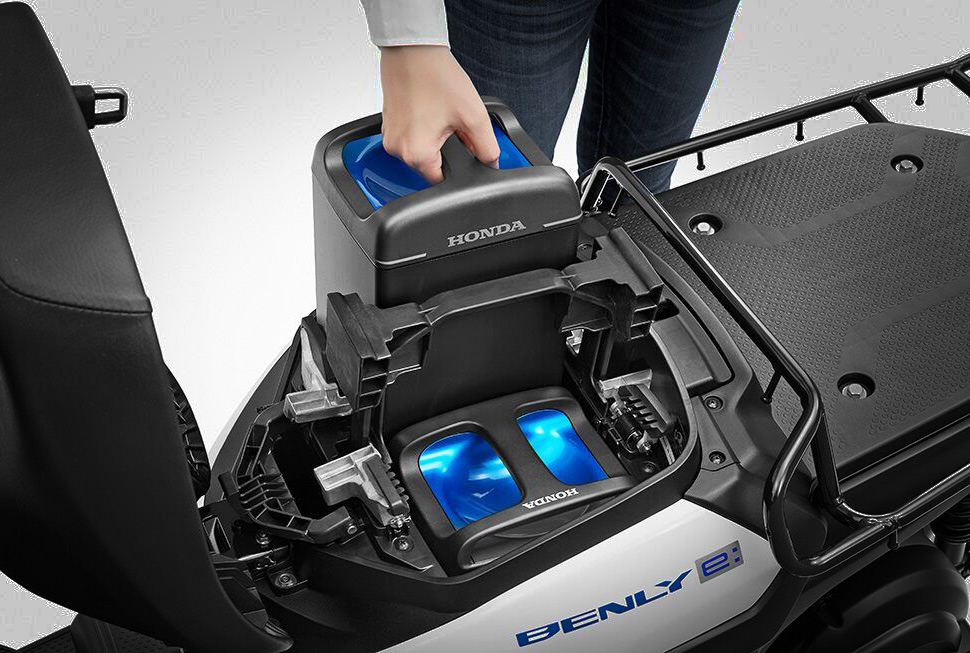
Cara Merawat Baterai Motor Listrik agar Tidak Cepat Soak
Baterai adalah komponen paling penting pada motor listrik karena menjadi sumber utama tenaga untuk menggerakkan motor. Umumnya motor listrik di Indonesia menggunakan baterai jenis lithium-ion, yang memang tahan...

Daftar Mobil Listrik Terbaik 2025 di Indonesia: Harga, Jarak Tempuh, dan Fitur
Mobil listrik semakin populer di Indonesia berkat dukungan insentif pemerintah, biaya operasional yang lebih murah, dan semakin...
El trasfondo normativo y la búsqueda de horizontes globales
El mundillo de las apuestas online ha cambiado una barbaridad este año. Ya no vale con entrar en la primera página que te sale en Google o dejarse...
Η άνοδος της Paysafecard στα ελληνικά casino
Κοιτάξτε, ας είμαστε απόλυτα ειλικρινείς μεταξύ μας. Ο κόσμος του διαδικτυακού τζόγου στην Ελλάδα έχει αλλάξει ρίζες, δομή και πρόσωπο τα τελευταία χρόνια, και όχι απαραίτητα με τον...

Di tengah persaingan global yang makin ketat, perjanjian dagang Indonesia-Uni Eropa atau dikenal dengan Comprehensive Economic Partnership Agreement (CEPA) menjadi titik balik penting dalam memperkuat posisi Indonesia di...

Merek Mobil Terlaris di Indonesia Juni 2025: Toyota Unggul, Wuling Air EV & Chery Melesat
Industri otomotif Indonesia di pertengahan tahun 2025 menunjukkan dinamika persaingan yang semakin ketat. Data penjualan nasional bulan Juni mencatat bahwa Toyota masih memimpin sebagai merek mobil terlaris, namun...

Jangan Sampai Mobil Jadi Gerobak! Ini 5 Tips Melindungi Mobil Anda Saat Hujan di Musim Kemarau
Meski seharusnya sudah memasuki musim kemarau, beberapa wilayah di Indonesia masih sering diguyur hujan secara tiba-tiba. Kondisi cuaca yang tidak menentu ini bisa berdampak langsung pada kondisi mobil...

Indonesia dikenal dengan iklim tropisnya yang panas dan lembap, terutama di kota-kota besar seperti Jakarta, Surabaya, dan Medan. Jika Anda sering memarkir mobil di luar ruangan, maka cover...

9 Hal Kecil yang Diam-Diam Bikin Mobil Kamu Cepat Rusak (Nomor 4 Pasti Pernah Kamu Alami)
Jika Anda belum menggunakan sarung mobil, perhatikan gejala ini di kendaraan Anda:
1. Cat Pudar dan Tidak Mengilap Lagi
Sinar matahari langsung bisa merusak lapisan clear coat mobil. Hasilnya, cat...

Bingung Pilih Cover Mobil Terbaik yang Pas Untuk Indoor atau Outdoor? Coba Simak Tips ini!
Pernah Mengalami Masalah Ini?
Bayangkan Anda baru saja mencuci mobil, tetapi keesokan harinya hujan turun dan mobil kembali kotor. Atau mungkin Anda sering memarkir kendaraan di luar dan khawatir...

Sarung Mobil: Perlindungan Optimal untuk Kendaraan Anda
Sarung mobil adalah aksesori penting bagi pemilik kendaraan yang ingin melindungi mobil mereka dari berbagai elemen yang dapat merusak. Dari sinar matahari yang terik hingga hujan lebat, sarung...
Vavada online casino
Обзор казино Vavada автоматы бонусы игры в 2026
Бонусные коды joycasino
Vavada link belépés és regisztráció lépései
Opinie o ofertach i grach w kasynie Vavada
Mengapa Keiko?

ALL-WEATHER SHIELD
Lindungi kendaraan anda dari panas terik hingga hujan deras.

TERLINDUNG DARI CAKARAN BINATANG
Penggunaan material yang lebih premium berikan perlindungan ekstra dari cakaran binatang.

UKURAN PRESISI
Dirancang dengan ukuran yang presisi untuk berbagai tipe kendaraan.

3-LAYERS PROTECTION
Tiga lapisan perlindungan berikan proteksi dari debu, air, dan sinar UV.

CEPAT & MUDAH DIPASANG
Praktis & mudah dipasang sendiri dalam hitungan detik
