
Excitement_builds_alongside_risk_with_chicken_road_a_thrilling_game_of_chance_an
- Excitement builds alongside risk with chicken road—a thrilling game of chance and timing
- The Psychology of Incremental Gains
- Risk Assessment and Decision Thresholds
- The Allure of Continuous Progress
- The Role of Dopamine and Reward Systems
- Applications Beyond Gaming: Real-World Analogies
- Negotiation Strategies and the Escalation of Commitment
- The Influence of External Factors and Uncertainties
- Adapting to Change and Establishing Flexible Strategies
Excitement builds alongside risk with chicken road—a thrilling game of chance and timing
The thrill of risk versus reward is a fundamental part of the human experience, and few games capture this dynamic quite like the intriguing concept of the “chicken road”. It’s a simple premise, imbued with psychological tension: you advance along a path, accumulating gains with each step, but the ever-present danger of stopping at the wrong moment looms large. This isn’t about literal poultry and roadways; it’s a metaphor for decision-making in situations where continuous progress offers benefit, but delayed withdrawal can lead to significant loss. The game's appeal lies in its ability to simulate the anxieties and exhilarations associated with calculated risk-taking.
This concept, often portrayed as a game or thought experiment, extends far beyond simple amusement. Its echoes resonate in financial markets, negotiating tactics, and even personal relationships. The underlying principle – knowing when to hold and when to fold – is a skill prized in many facets of life. The mental game involved in scaling this metaphorical "chicken road" requires players to balance optimism about future gains against the potential for a devastating setback. It is a fascinating investigation into human psychology and decision processes.
The Psychology of Incremental Gains
At its core, “chicken road” hinges on the psychological principle of the sunk cost fallacy. As you progress along the path, each step represents an investment of time, effort, or resources. The further you go, the harder it becomes to turn back, even if the odds begin to shift against you. This is because abandoning progress feels like forfeiting the investments already made. However, a rational decision-maker should assess the situation based on future prospects, not past losses. The game forces a confrontation with this cognitive bias. Players become emotionally attached to their accumulated gains, making it difficult to objectively evaluate when the risk of continuing outweighs the potential reward. This is not unlike the stories of investors who hold onto losing stocks for too long, hoping for a turnaround that never comes.
Risk Assessment and Decision Thresholds
Successfully navigating the “chicken road” necessitates a clear understanding of your risk tolerance and the establishment of defined decision thresholds. Before embarking on the journey, a player should determine the maximum acceptable loss. This acts as a safety net, a point beyond which the continuation of the game is no longer justifiable. The challenge lies in accurately assessing the probability of reaching that threshold. This assessment involves considering various factors such as the pattern of gains, the observed frequency of setbacks, and any available information that might predict future outcomes. It’s about transforming a gut feeling into a data driven approach, even if the data is limited. Furthermore, it's vital to adjust this threshold dynamically. What seemed like a reasonable risk at the beginning of the journey might become excessively dangerous as circumstances change.
| Step Number | Accumulated Gain | Probability of Loss | Decision |
|---|---|---|---|
| 1 | $10 | 5% | Continue |
| 5 | $50 | 15% | Continue |
| 10 | $100 | 30% | Continue |
| 15 | $150 | 50% | Withdraw |
The table above illustrates a hypothetical scenario. Notice how the probability of loss increases with each step, while the decision to continue or withdraw depends on a calculated balance between projected gain and potential risk. It is easy to see how emotional attachment might impair objective judgement.
The Allure of Continuous Progress
The concept’s grip on the imagination isn’t merely about calculating risk; it’s also about the innate human drive for progress. Each step forward validates the decision to continue and fuels a sense of momentum. This positive reinforcement loop can be incredibly powerful, encouraging individuals to persevere even in the face of increasing danger. It’s similar to the motivation experienced by entrepreneurs who have invested significant capital and effort into a venture. The prospect of realizing their vision, coupled with the reluctance to admit failure, can lead them to continue pursuing a project long after a rational assessment would suggest abandoning it. This inherent bias towards action and forward motion is a core component of the “chicken road” dynamic.
The Role of Dopamine and Reward Systems
Neurologically, the incremental gains experienced on the “chicken road” trigger the release of dopamine, a neurotransmitter associated with pleasure and reward. This creates a positive feedback loop, reinforcing the behavior and making it increasingly difficult to resist the allure of further progress. Each small victory, each step taken, provides a dopamine hit, creating a sense of excitement and anticipation. However, this reward system can also be exploitable. The intermittent nature of the rewards – the fact that gains are not guaranteed with every step – creates a variable reward schedule, which is known to be particularly addictive. This is why the game’s design is so captivating: it taps into our brain’s natural reward circuitry, creating a compelling and potentially self-destructive cycle.
- The 'chicken road' simulates real-world risks and rewards.
- It highlights the psychological impact of sunk costs.
- Understanding dopamine's role is essential for rational decision making.
- Establishing clear exit strategies is crucial for managing risk.
Successfully playing this game—and applying its lessons to real life—relies on a conscious effort to resist the pull of dopamine-fueled optimism and to base decisions on logic rather than emotion. Recognizing this dynamic allows players to navigate the path with greater clarity and control.
Applications Beyond Gaming: Real-World Analogies
The “chicken road” isn't confined to theoretical games or hypothetical scenarios. Its principles manifest in countless real-world situations. Consider the stock market, where investors often find themselves clinging to losing positions, hoping for a rebound that may never materialize. Or the world of business, where entrepreneurs pour resources into projects that show diminishing returns. Even in personal relationships, individuals may remain in unhealthy situations, investing more time and energy in an attempt to salvage something that is fundamentally flawed. In each scenario, the core dynamic remains the same: a gradual accumulation of investment, coupled with an increasing risk of ultimate loss, and the difficulty of knowing when to cut your losses and walk away.
Negotiation Strategies and the Escalation of Commitment
The "chicken road" framework also provides valuable insights into negotiation tactics. One party might gradually concede points, hoping to secure a more favorable outcome. However, each concession represents an investment, making it increasingly difficult to back down later in the process. This escalation of commitment can lead to a suboptimal agreement, where both parties end up worse off than they would have been if they had established clear boundaries from the outset. Successful negotiators avoid this trap by setting firm limits and being willing to walk away from the table if their core interests are not met. Understanding the "chicken road" dynamic allows negotiators to recognize and counter these manipulative tactics.
- Define your acceptable loss before starting.
- Regularly reassess the risk-reward ratio.
- Avoid emotional attachment to past investments.
- Be prepared to walk away from unfavorable situations.
These steps are vital for maintaining objectivity and minimizing the potential for costly mistakes. They require discipline and self-awareness, but the rewards – in terms of financial security, emotional well-being, and successful outcomes – are well worth the effort.
The Influence of External Factors and Uncertainties
While personal psychology is central to navigating the “chicken road”, external factors often play a significant role in shaping the outcome. Unexpected events, market fluctuations, or changes in the competitive landscape can dramatically alter the risk-reward landscape, rendering previously sound decisions obsolete. For example, a company that has invested heavily in a particular technology might find itself facing disruption from a new innovation. Or an investor who has bet on a promising stock might see its value plummet due to unforeseen economic shocks. These external shocks highlight the importance of adaptability and the need to constantly monitor the environment for potential threats and opportunities. The game is rarely played in isolation.
Adapting to Change and Establishing Flexible Strategies
In a world characterized by constant change, relying on rigid strategies is a recipe for disaster. The ability to adapt to new information and adjust your course accordingly is essential for success. This requires a willingness to challenge your assumptions, reconsider your priorities, and embrace flexibility. When encountering unexpected obstacles, it’s important to reassess your risk tolerance and be prepared to modify your exit strategy. The "chicken road" is not a linear path; it’s a dynamic environment where conditions can change quickly and unpredictably. Therefore, a proactive and adaptable approach is crucial for maximizing your chances of reaching a favorable outcome. This requires a constant evaluation of both the internal and external environment.
The inherent allure of the “chicken road” lies in its compelling portrayal of the age-old tension between risk and reward. It serves as a powerful reminder that success is not simply about accumulating gains; it’s about knowing when to stop, when to walk away, and when to adjust your strategy in the face of uncertainty. Considering the increasingly complex and volatile world we inhabit, mastering this skill – the ability to navigate the metaphorical “chicken road” with courage and wisdom – is more critical than ever. It is a subtle nudge to consider the long-term ramifications of our actions, and to value rational decision-making above all else.
Ultimately, proficiency in understanding these psychological and strategic elements empowers individuals to turn potential pitfalls into opportunities. Rather than being swept along by momentum, they can guide their actions with informed choices, confidently navigating the uncertainties that inevitably arise. This game is, in essence, a model for a life lived with intentionality and resilience, a path where shrewd judgement determines one’s success and peace of mind.
Αξιολόγηση_στοιχημάτων_και_22bet_εισοδος_για-45922180
Επιτυχημένες_στοιχηματικές_ευκαιρίες_και_sp
Ενδιαφέροντα_στοιχήματα_και_https_spingrannycasino_gr
Εξερεύνηση_των_δυνατοτήτων_και_των_μυστικώ-45599200
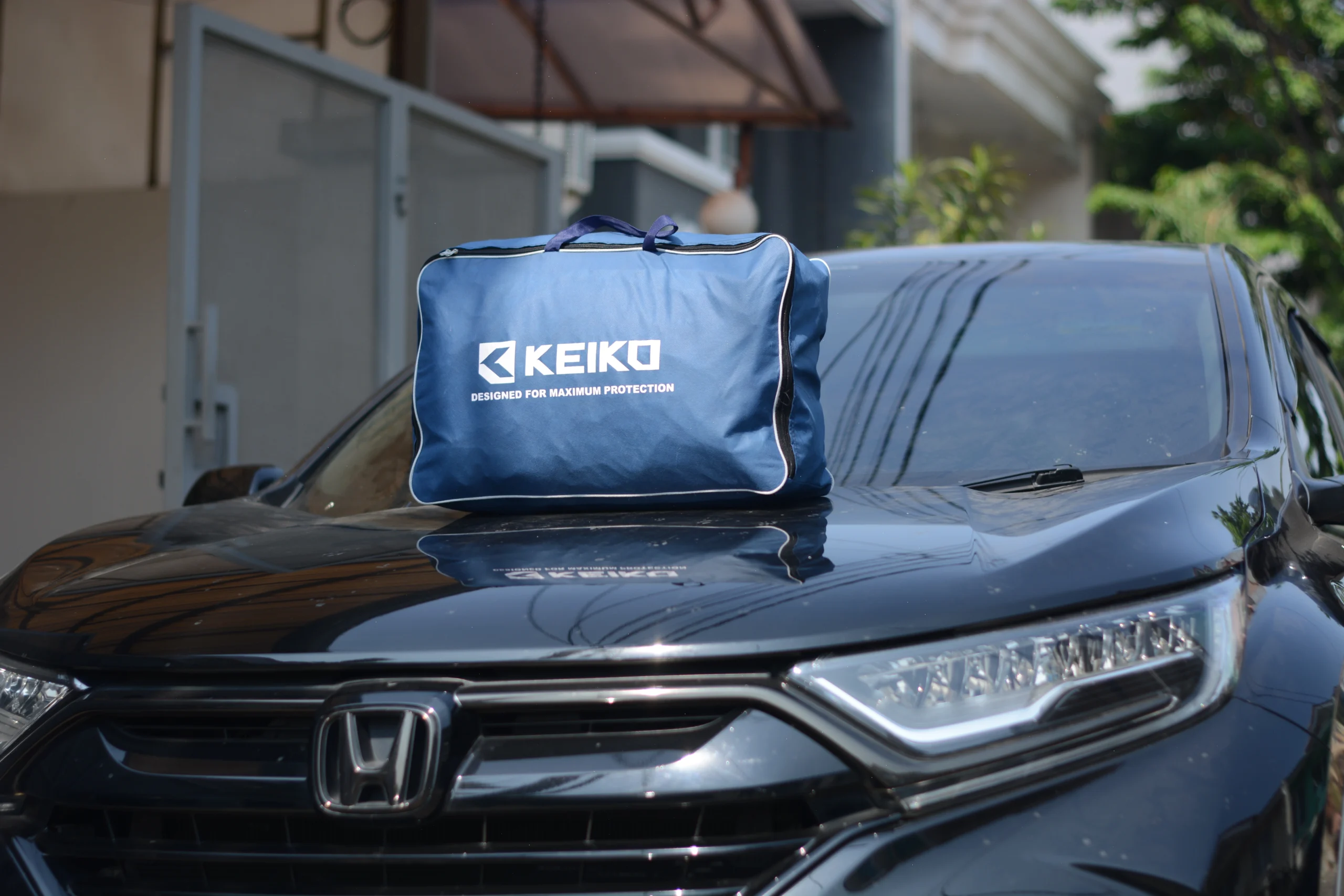
Niat hati ingin melindungi mobil dari terik matahari dan hujan, eh malah body mobil menguning. Kasus seperti ini sangat sering terjadi gara-gara salah memilih cover atau sarung mobil....

Panduan Memilih Cover Mobil & Sarung Mobil Outdoor Terbaik
Banyak pemilik mobil di Indonesia yang terpaksa memarkir kendaraannya di luar ruangan (outdoor) karena keterbatasan area garasi tertutup. Berhadapan langsung dengan panas terik matahari yang menyengat, lalu tiba-tiba...

Panduan Ganti Aki Mobil Sendiri dengan Aman
Aki mobil adalah salah satu komponen vital yang memastikan kendaraan dapat menyala dan semua perangkat listrik bekerja dengan baik. Ketika aki mulai melemah atau rusak, mobil bisa sulit...

Mesin Mobil Overheat? Jangan Sampai Salah Pilih Oli! Ini Dia Jenis-Jenis Oli Mesin Mobil dan Fungsinya
Mesin mobil yang cepat panas atau overheat tidak hanya disebabkan oleh radiator yang bermasalah—pemilihan oli mesin yang tidak tepat juga bisa jadi penyebab utamanya. Oli memegang peranan penting...
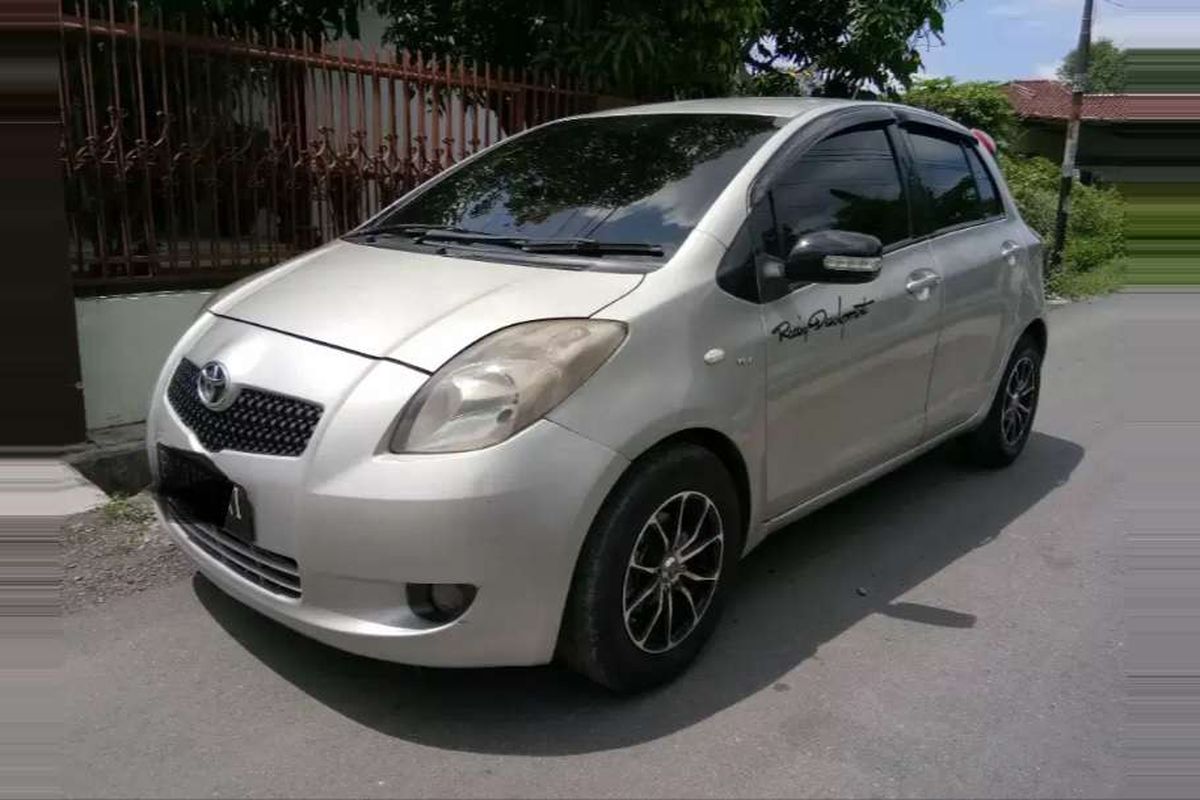
Beli Mobil Bekas Ini Agar Tidak Menyesal! Panduan untuk Pemula: Checklist Lengkap Tahun 2025
Membeli mobil bekas masih menjadi pilihan favorit banyak orang di Indonesia karena harganya lebih terjangkau namun tetap bisa memberikan kenyamanan dan fungsionalitas yang baik. Namun, membeli mobil bekas...

Lebih Worth It yang Mana? Perbandingan Mobil Listrik vs Hybrid
Mobil listrik dan mobil hybrid kini menjadi pilihan populer di Indonesia, terutama bagi pengguna yang ingin kendaraan lebih hemat dan ramah lingkungan. Keduanya menawarkan teknologi modern, namun memiliki...

Kelebihan dan Kekurangan Mobil Hybrid untuk Jalanan Indonesia
Mobil hybrid semakin populer di Indonesia karena dianggap sebagai solusi transisi sebelum beralih sepenuhnya ke kendaraan listrik. Teknologi yang menggabungkan mesin bensin dan motor listrik ini menawarkan efisiensi...
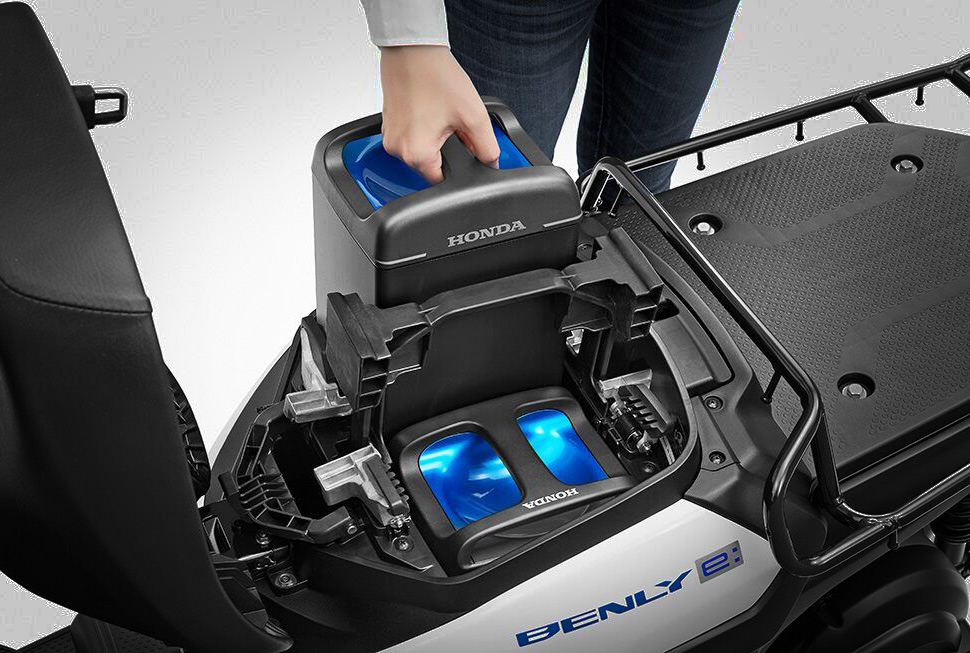
Cara Merawat Baterai Motor Listrik agar Tidak Cepat Soak
Baterai adalah komponen paling penting pada motor listrik karena menjadi sumber utama tenaga untuk menggerakkan motor. Umumnya motor listrik di Indonesia menggunakan baterai jenis lithium-ion, yang memang tahan...

Daftar Mobil Listrik Terbaik 2025 di Indonesia: Harga, Jarak Tempuh, dan Fitur
Mobil listrik semakin populer di Indonesia berkat dukungan insentif pemerintah, biaya operasional yang lebih murah, dan semakin...
El trasfondo normativo y la búsqueda de horizontes globales
El mundillo de las apuestas online ha cambiado una barbaridad este año. Ya no vale con entrar en la primera página que te sale en Google o dejarse...
Η άνοδος της Paysafecard στα ελληνικά casino
Κοιτάξτε, ας είμαστε απόλυτα ειλικρινείς μεταξύ μας. Ο κόσμος του διαδικτυακού τζόγου στην Ελλάδα έχει αλλάξει ρίζες, δομή και πρόσωπο τα τελευταία χρόνια, και όχι απαραίτητα με τον...

Di tengah persaingan global yang makin ketat, perjanjian dagang Indonesia-Uni Eropa atau dikenal dengan Comprehensive Economic Partnership Agreement (CEPA) menjadi titik balik penting dalam memperkuat posisi Indonesia di...
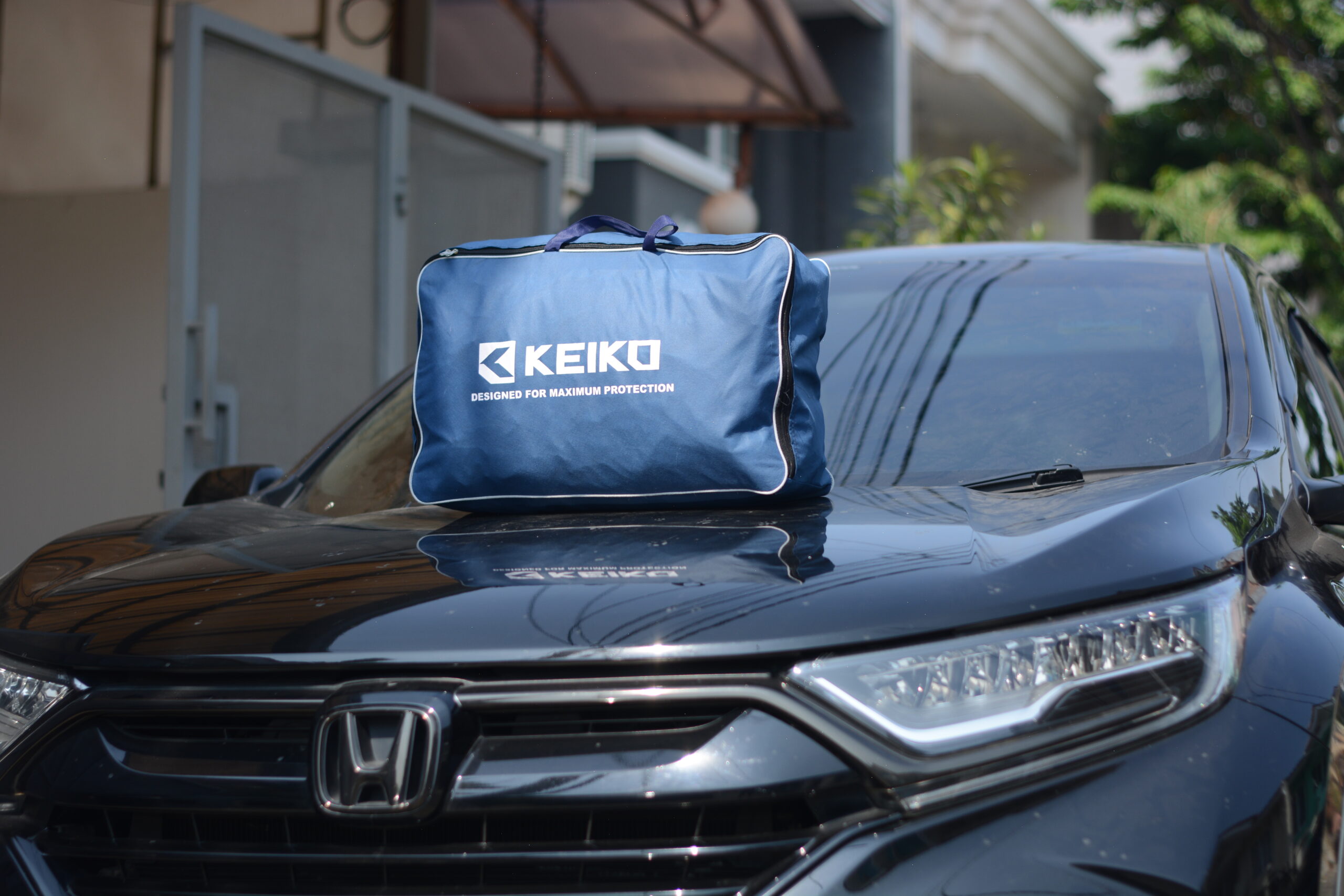
Merek Mobil Terlaris di Indonesia Juni 2025: Toyota Unggul, Wuling Air EV & Chery Melesat
Industri otomotif Indonesia di pertengahan tahun 2025 menunjukkan dinamika persaingan yang semakin ketat. Data penjualan nasional bulan Juni mencatat bahwa Toyota masih memimpin sebagai merek mobil terlaris, namun...
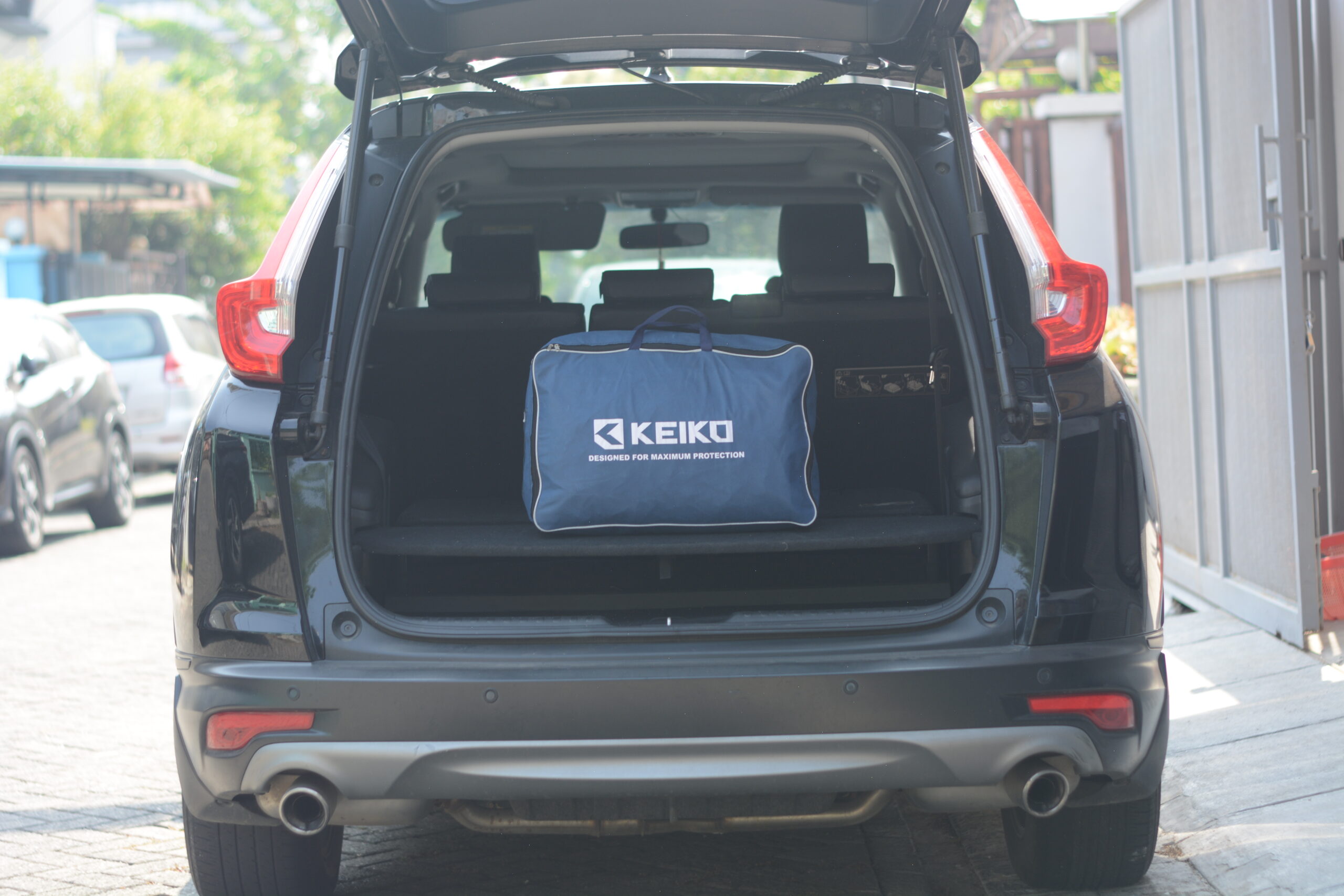
Jangan Sampai Mobil Jadi Gerobak! Ini 5 Tips Melindungi Mobil Anda Saat Hujan di Musim Kemarau
Meski seharusnya sudah memasuki musim kemarau, beberapa wilayah di Indonesia masih sering diguyur hujan secara tiba-tiba. Kondisi cuaca yang tidak menentu ini bisa berdampak langsung pada kondisi mobil...
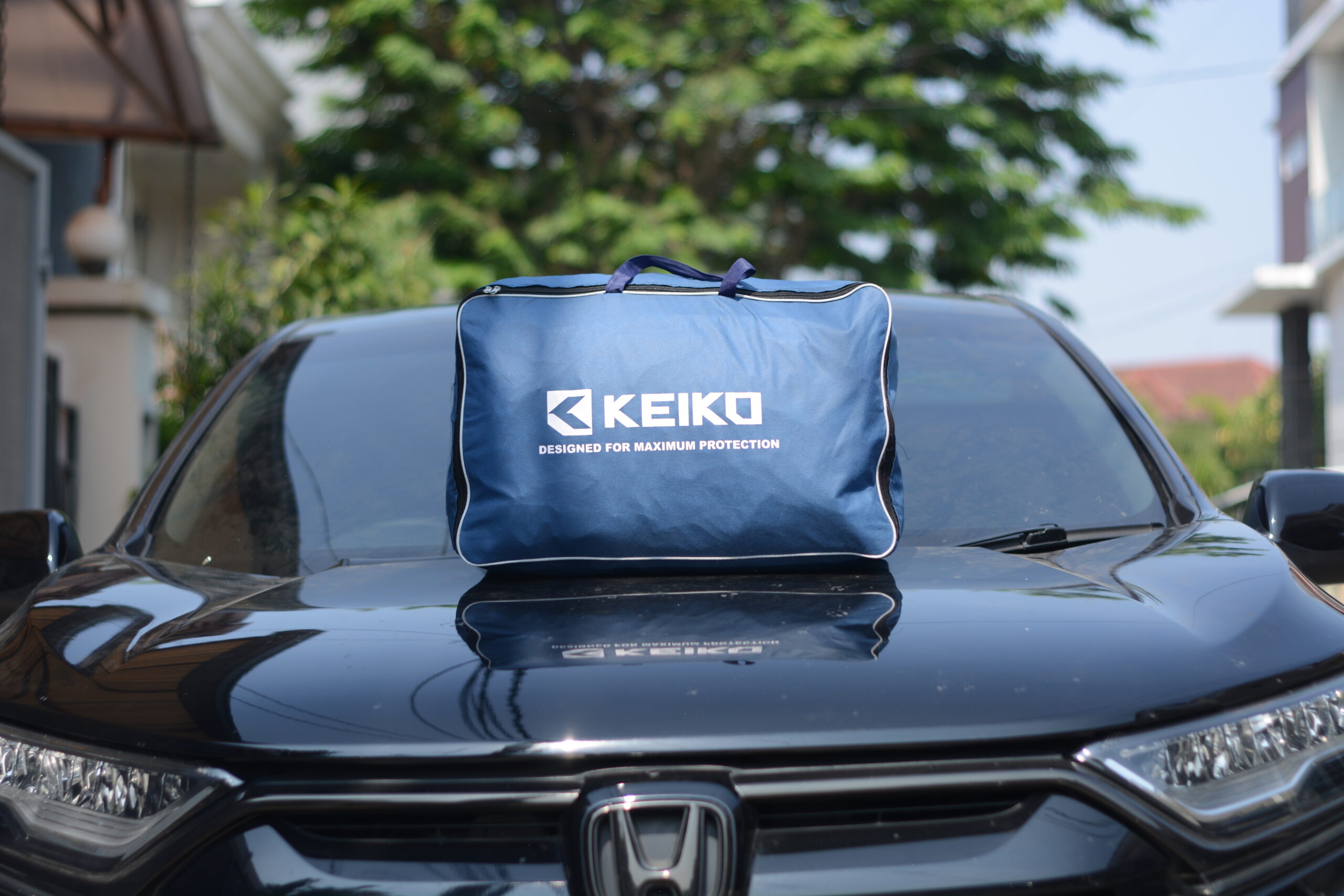
Indonesia dikenal dengan iklim tropisnya yang panas dan lembap, terutama di kota-kota besar seperti Jakarta, Surabaya, dan Medan. Jika Anda sering memarkir mobil di luar ruangan, maka cover...
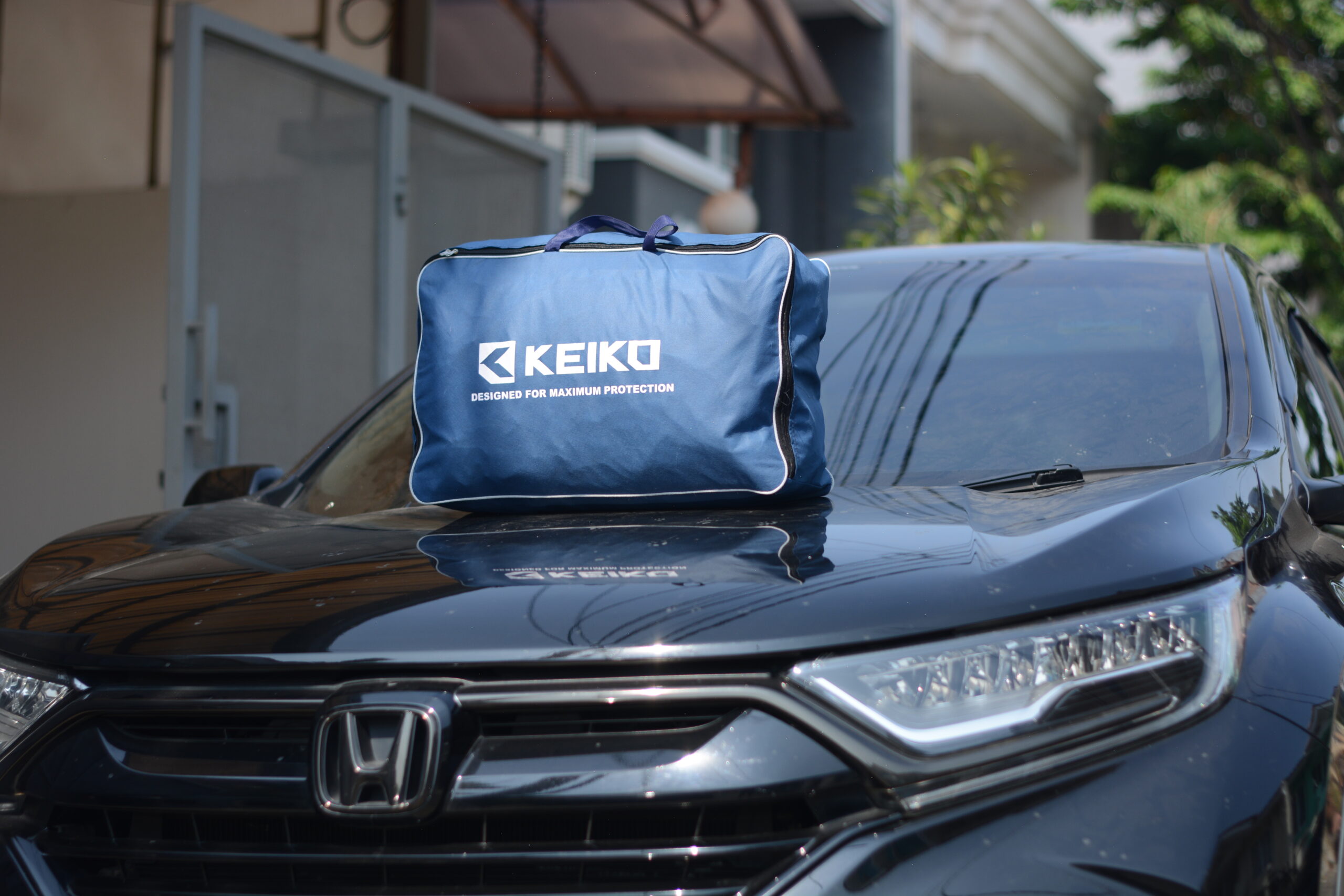
9 Hal Kecil yang Diam-Diam Bikin Mobil Kamu Cepat Rusak (Nomor 4 Pasti Pernah Kamu Alami)
Jika Anda belum menggunakan sarung mobil, perhatikan gejala ini di kendaraan Anda:
1. Cat Pudar dan Tidak Mengilap Lagi
Sinar matahari langsung bisa merusak lapisan clear coat mobil. Hasilnya, cat...

Bingung Pilih Cover Mobil Terbaik yang Pas Untuk Indoor atau Outdoor? Coba Simak Tips ini!
Pernah Mengalami Masalah Ini?
Bayangkan Anda baru saja mencuci mobil, tetapi keesokan harinya hujan turun dan mobil kembali kotor. Atau mungkin Anda sering memarkir kendaraan di luar dan khawatir...
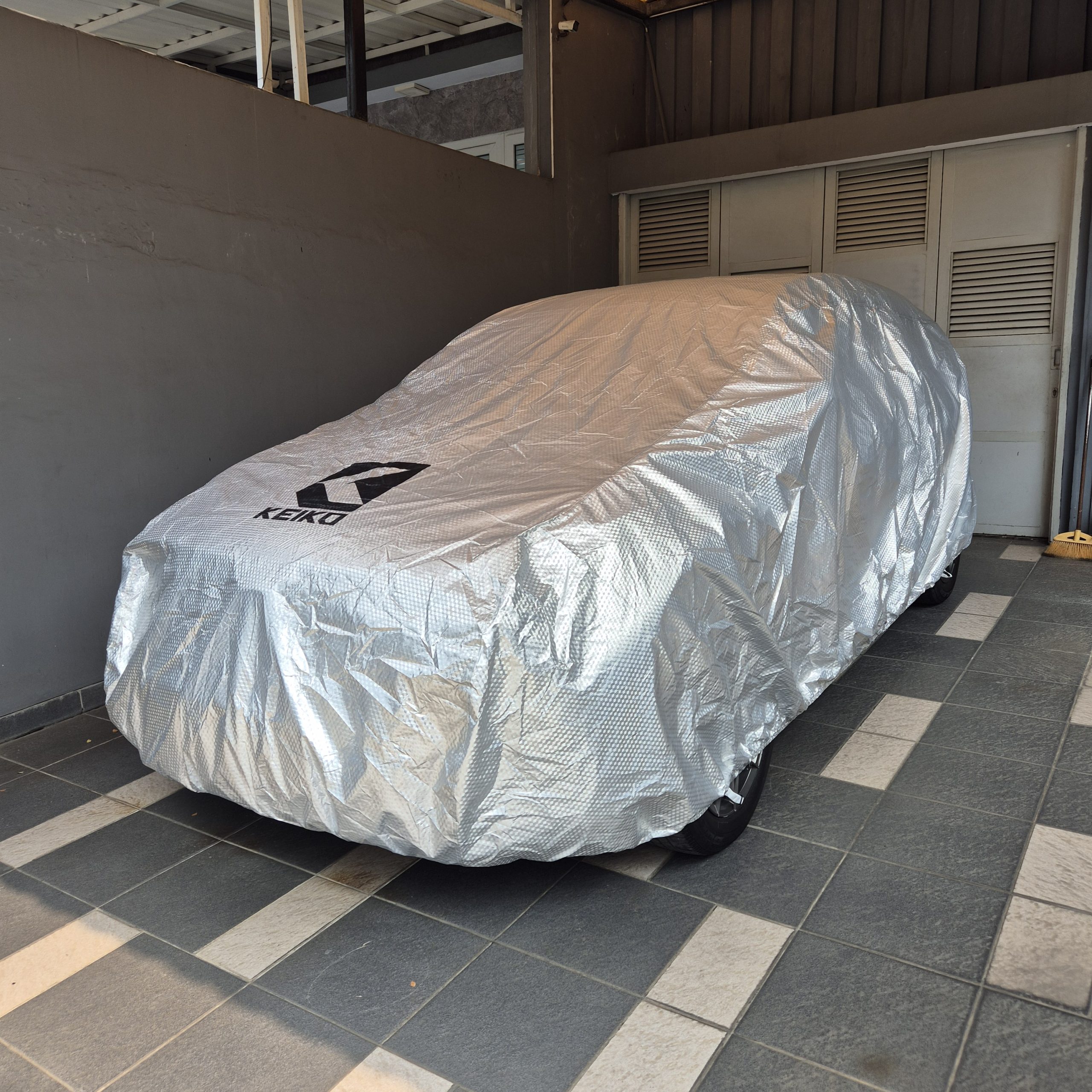
Sarung Mobil: Perlindungan Optimal untuk Kendaraan Anda
Sarung mobil adalah aksesori penting bagi pemilik kendaraan yang ingin melindungi mobil mereka dari berbagai elemen yang dapat merusak. Dari sinar matahari yang terik hingga hujan lebat, sarung...
Vavada online casino
Обзор казино Vavada автоматы бонусы игры в 2026
Бонусные коды joycasino
Vavada link belépés és regisztráció lépései
Opinie o ofertach i grach w kasynie Vavada
Mengapa Keiko?

ALL-WEATHER SHIELD
Lindungi kendaraan anda dari panas terik hingga hujan deras.

TERLINDUNG DARI CAKARAN BINATANG
Penggunaan material yang lebih premium berikan perlindungan ekstra dari cakaran binatang.

UKURAN PRESISI
Dirancang dengan ukuran yang presisi untuk berbagai tipe kendaraan.

3-LAYERS PROTECTION
Tiga lapisan perlindungan berikan proteksi dari debu, air, dan sinar UV.

CEPAT & MUDAH DIPASANG
Praktis & mudah dipasang sendiri dalam hitungan detik
