
Caution_and_risk_define_the_thrilling_experience_of_the_chicken_road_game_and_st
- Caution and risk define the thrilling experience of the chicken road game and strategic timing
- Understanding the Core Mechanics and Strategy
- The Role of Probability and Risk Assessment
- The Psychological Appeal of the Chicken Road Game
- The Gambler’s Fallacy and Loss Aversion
- Variations and Evolution of the Chicken Road Game
- Mobile Implementations and Social Features
- The Chicken Road Game as a Metaphor for Life
Caution and risk define the thrilling experience of the chicken road game and strategic timing
The allure of risk versus reward is a fundamental human fascination, and few digital experiences capture this tension quite like the chicken road game. This deceptively simple game, often found online or as a mobile application, presents a scenario where players guide a chicken across a busy road, dodging obstacles with each step taken. The longer the chicken survives, the higher the potential payout, but a single miscalculation leads to instant failure. It is a game of patience, timing, and a healthy dose of courage, mirroring elements of real-life decision-making process.
The popularity of this game stems from its accessibility and the adrenaline rush associated with successfully navigating increasingly difficult challenges. It taps into a primal instinct: the thrill of taking calculated risks. Beyond the surface-level entertainment, the underlying mechanics of the chicken road game offer intriguing insights into probability, strategic thinking, and the psychological factors that influence our willingness to gamble. It’s a microcosm of life, where careful planning and decisive action can lead to success, but recklessness can result in swift consequences. The addictive nature of the gameplay keeps players returning, continually testing their limits and seeking that satisfying feeling of accomplishment.
Understanding the Core Mechanics and Strategy
At its heart, the chicken road game relies on a simple set of principles. The player must tap or click to move the chicken forward one space at a time. The road is populated by a variety of obstacles – cars, trucks, buses, and occasionally, other unpredictable hazards – that move at varying speeds and along different trajectories. Success depends on accurately predicting the gaps in traffic and timing the chicken's movements accordingly. This requires not just quick reflexes, but also an understanding of patterns and probabilities. Players quickly learn to anticipate the flow of traffic, observing how vehicles tend to bunch together or create momentary safe zones. Experienced players develop a sense of rhythm, moving the chicken with a deliberate pace instead of rushing haphazardly.
The Role of Probability and Risk Assessment
While seemingly random, the movement of obstacles within the game is often governed by underlying algorithms, creating patterns that astute players can exploit. Understanding these probabilities – the likelihood of a car appearing in a particular lane, the speed at which it’s travelling – is crucial for maximizing survival. However, the game also introduces an element of unpredictability, preventing players from becoming complacent. Even with a solid grasp of the underlying mechanics, unexpected events can occur, forcing players to adapt and react quickly. This balance between predictability and randomness is what keeps the game engaging and challenging. The decision of when to stop – to cash out the accumulated winnings – is arguably the most important strategic element. Continuing to play increases the potential reward, but also exponentially increases the risk of losing everything.
| Risk Level | Reward Multiplier | Probability of Success |
|---|---|---|
| Low | 1.5x - 2x | 90% - 95% |
| Medium | 3x - 5x | 60% - 80% |
| High | 6x - 10x | 30% - 50% |
| Very High | 10x+ | 10% - 30% |
The chart above illustrates the trade-off between risk and reward. As the potential payout increases, the probability of success decreases. This forces players to constantly evaluate their risk tolerance and make calculated decisions about when to stop playing and secure their winnings.
The Psychological Appeal of the Chicken Road Game
The chicken road game isn’t merely a test of reflexes; it's a fascinating study in behavioral psychology. The very structure of the game taps into several cognitive biases that contribute to its addictive quality. One of the most prominent is the “near-miss effect,” where players feel a sense of encouragement even when they fail, provided they came close to success. This creates the illusion that they are improving and that a big win is just around the corner. Another key element is the variable reward schedule, where payouts are unpredictable. This triggers the release of dopamine in the brain, creating a pleasurable sensation that reinforces the desire to continue playing. The uncertainty surrounding the potential reward keeps players hooked, constantly chasing that next dopamine rush.
The Gambler’s Fallacy and Loss Aversion
The game also cleverly exploits the gambler's fallacy – the mistaken belief that past events influence future outcomes. Players who have experienced a streak of bad luck may feel that a win is “due,” leading them to take greater risks. Conversely, players who have recently won may become overconfident and continue playing, believing their lucky streak will continue. Loss aversion, the tendency to feel the pain of a loss more strongly than the pleasure of an equivalent gain, also plays a significant role. The fear of losing accumulated winnings can lead players to make irrational decisions, pushing them to continue playing even when the odds are stacked against them. It's a classic psychological trap that the game leverages effectively.
- The game provides instant gratification through visual and audio feedback.
- The simple controls make it accessible to players of all skill levels.
- The escalating risk/reward ratio creates a compelling sense of tension.
- The variable reward schedule taps into the brain's reward system.
- The game offers a sense of control in a chaotic environment.
The combination of these factors creates a powerful psychological loop that makes the chicken road game surprisingly engaging and addictive. It’s a testament to the game’s design that it can evoke such strong emotional responses with such minimal complexity.
Variations and Evolution of the Chicken Road Game
The original concept of the chicken road game has spawned countless variations, each attempting to add new layers of complexity or visual appeal. Some versions introduce different types of obstacles, such as trains, bicycles, or even animals. Others incorporate power-ups or special abilities, allowing players to briefly slow down time or become invincible. Many developers have also experimented with different themes and art styles, ranging from cartoonish graphics to more realistic depictions of urban environments. The core gameplay mechanics, however, remain largely unchanged – guide the chicken across the road while avoiding obstacles and maximizing your winnings. The evolution of the game demonstrates its enduring appeal and adaptability.
Mobile Implementations and Social Features
The advent of mobile gaming has been particularly impactful for the chicken road game. The game's simple controls and quick gameplay loop are perfectly suited for mobile devices, allowing players to enjoy it on the go. Many mobile versions also incorporate social features, such as leaderboards and the ability to compete with friends. This adds a competitive element to the game, motivating players to improve their skills and climb the ranks. The integration of social media also allows players to share their high scores and achievements, further amplifying the game’s reach. These additions have transformed the chicken road game from a simple time-waster into a more engaging and social experience.
- Choose a game version with clear and responsive controls.
- Start with a conservative strategy, cashing out frequently to minimize risk.
- Pay attention to the patterns of traffic and learn to anticipate obstacles.
- Be aware of cognitive biases such as the gambler's fallacy and loss aversion.
- Set a budget and stick to it to avoid overspending.
Following these tips can enhance the overall experience and help players to avoid the pitfalls of chasing losses or becoming overly invested in the game.
The Chicken Road Game as a Metaphor for Life
Beyond its entertainment value, the chicken road game can be viewed as a surprisingly apt metaphor for navigating the challenges of life. The road represents the journey we all undertake, filled with obstacles and uncertainties. The chicken symbolizes ourselves, constantly striving to reach our goals while facing potential setbacks. The obstacles represent the challenges we encounter – financial difficulties, career hurdles, relationship problems – that threaten to derail our progress. The decision of when to stop – to "cash out" – mirrors the choices we make in life about when to take risks and when to play it safe. We are constantly weighing potential rewards against potential consequences, evaluating our risk tolerance, and adjusting our strategies accordingly.
The game highlights the importance of patience, timing, and calculated risk-taking. Successfully navigating the road requires careful observation, accurate prediction, and decisive action. It also reminds us that failure is an inevitable part of the journey. We will inevitably encounter obstacles that we cannot overcome, and we must learn to accept setbacks and move forward. The chicken road game, with its simple yet compelling mechanics, offers a unique and insightful perspective on the complexities of life. It’s a playful reminder that success requires not only courage and determination, but also a healthy dose of caution and a willingness to know when to stop.
Επιτυχημένες_στοιχηματικές_ευκαιρίες_και_sp
Ενδιαφέροντα_στοιχήματα_και_https_spingrannycasino_gr
Εξερεύνηση_των_δυνατοτήτων_και_των_μυστικώ-45599200
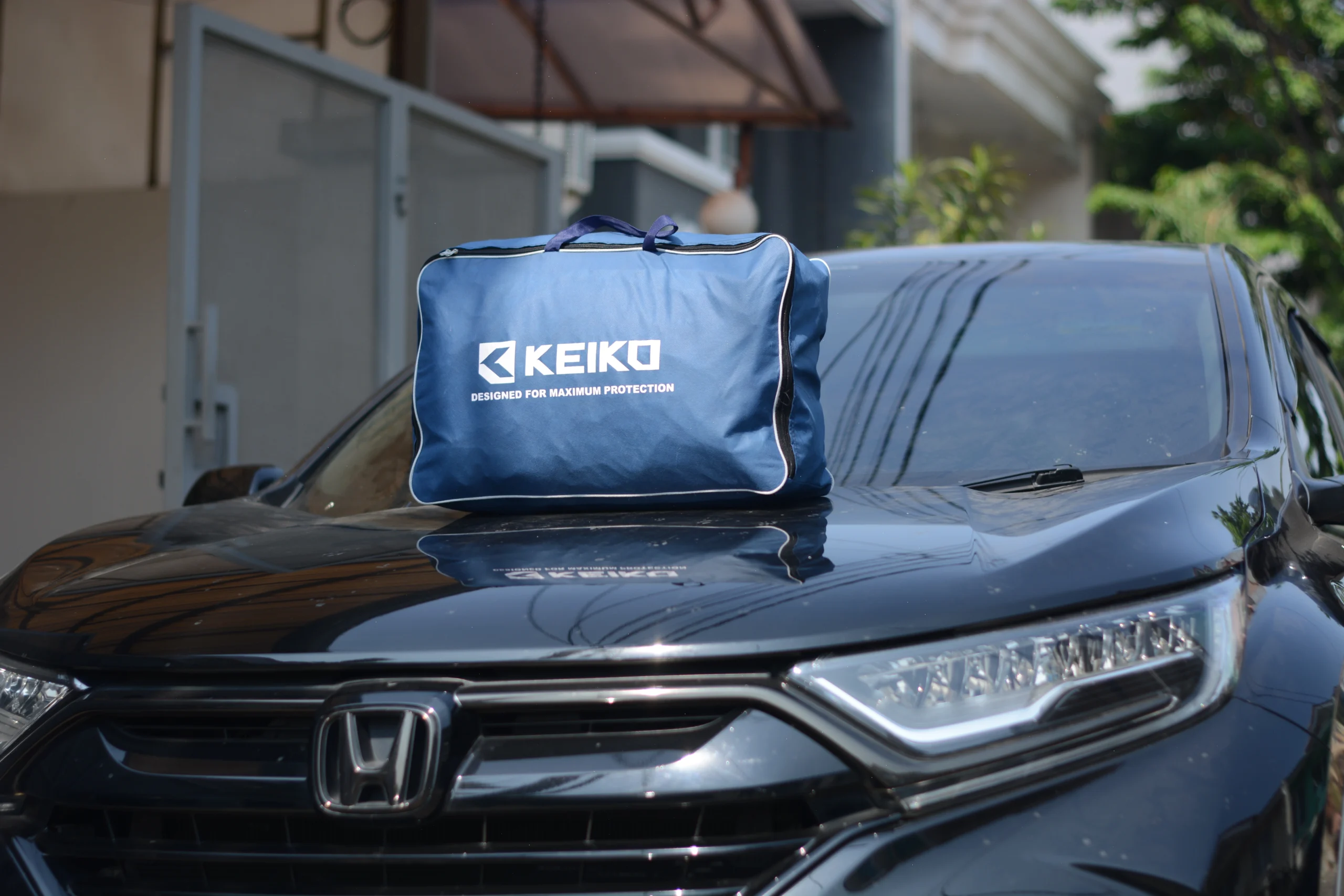
Niat hati ingin melindungi mobil dari terik matahari dan hujan, eh malah body mobil menguning. Kasus seperti ini sangat sering terjadi gara-gara salah memilih cover atau sarung mobil....
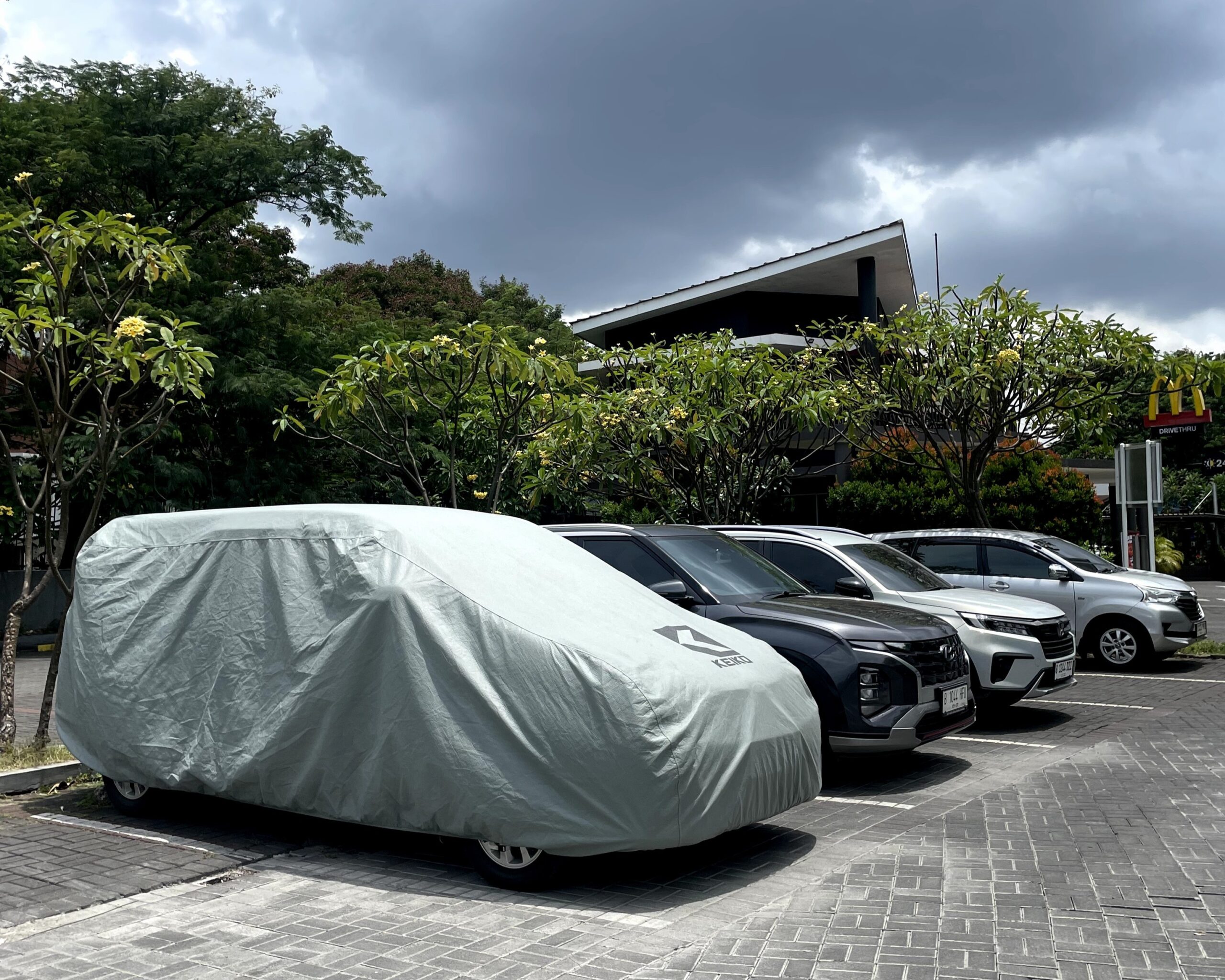
Panduan Memilih Cover Mobil & Sarung Mobil Outdoor Terbaik
Banyak pemilik mobil di Indonesia yang terpaksa memarkir kendaraannya di luar ruangan (outdoor) karena keterbatasan area garasi tertutup. Berhadapan langsung dengan panas terik matahari yang menyengat, lalu tiba-tiba...

Panduan Ganti Aki Mobil Sendiri dengan Aman
Aki mobil adalah salah satu komponen vital yang memastikan kendaraan dapat menyala dan semua perangkat listrik bekerja dengan baik. Ketika aki mulai melemah atau rusak, mobil bisa sulit...
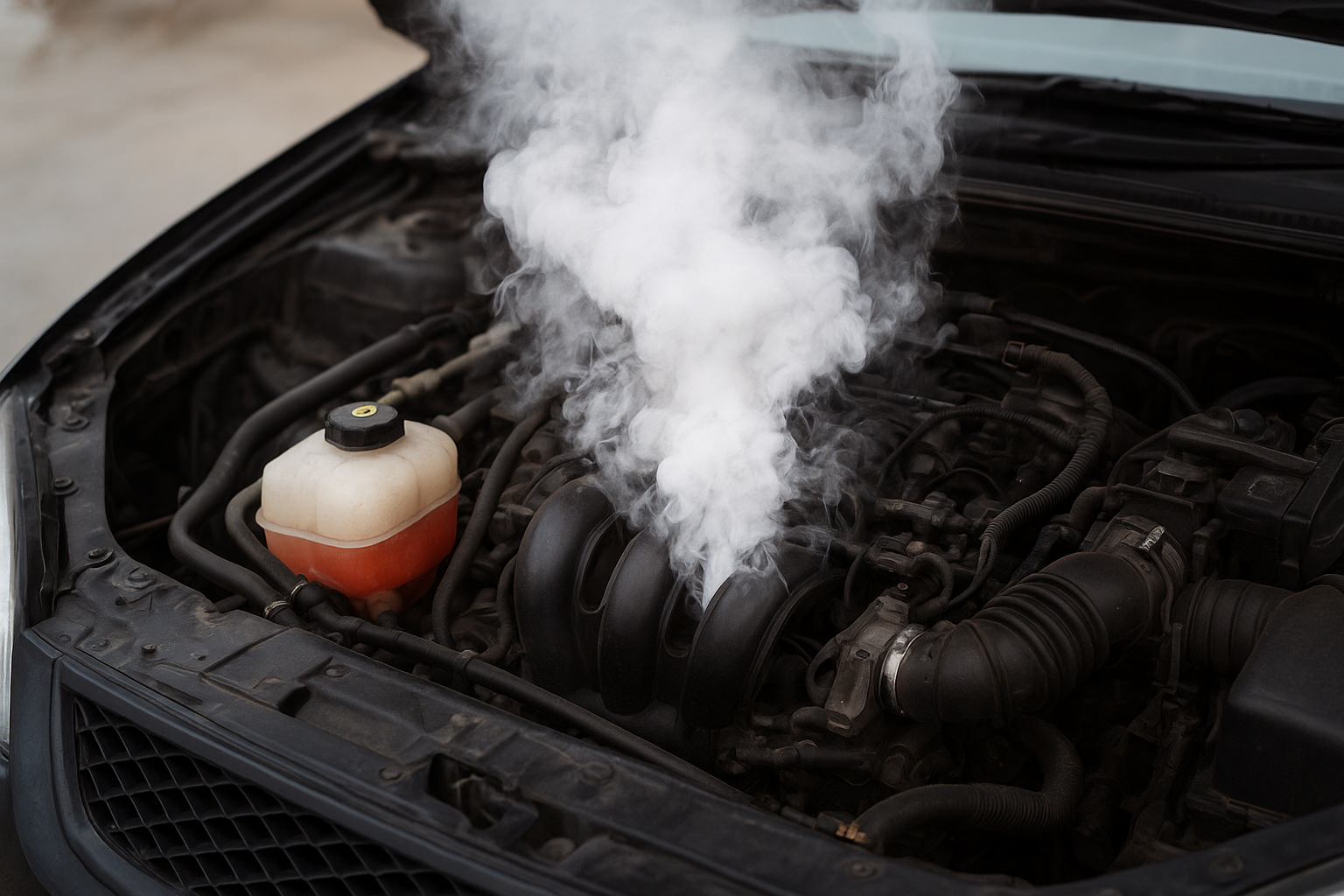
Mesin Mobil Overheat? Jangan Sampai Salah Pilih Oli! Ini Dia Jenis-Jenis Oli Mesin Mobil dan Fungsinya
Mesin mobil yang cepat panas atau overheat tidak hanya disebabkan oleh radiator yang bermasalah—pemilihan oli mesin yang tidak tepat juga bisa jadi penyebab utamanya. Oli memegang peranan penting...
Beli Mobil Bekas Ini Agar Tidak Menyesal! Panduan untuk Pemula: Checklist Lengkap Tahun 2025
Membeli mobil bekas masih menjadi pilihan favorit banyak orang di Indonesia karena harganya lebih terjangkau namun tetap bisa memberikan kenyamanan dan fungsionalitas yang baik. Namun, membeli mobil bekas...

Lebih Worth It yang Mana? Perbandingan Mobil Listrik vs Hybrid
Mobil listrik dan mobil hybrid kini menjadi pilihan populer di Indonesia, terutama bagi pengguna yang ingin kendaraan lebih hemat dan ramah lingkungan. Keduanya menawarkan teknologi modern, namun memiliki...

Kelebihan dan Kekurangan Mobil Hybrid untuk Jalanan Indonesia
Mobil hybrid semakin populer di Indonesia karena dianggap sebagai solusi transisi sebelum beralih sepenuhnya ke kendaraan listrik. Teknologi yang menggabungkan mesin bensin dan motor listrik ini menawarkan efisiensi...
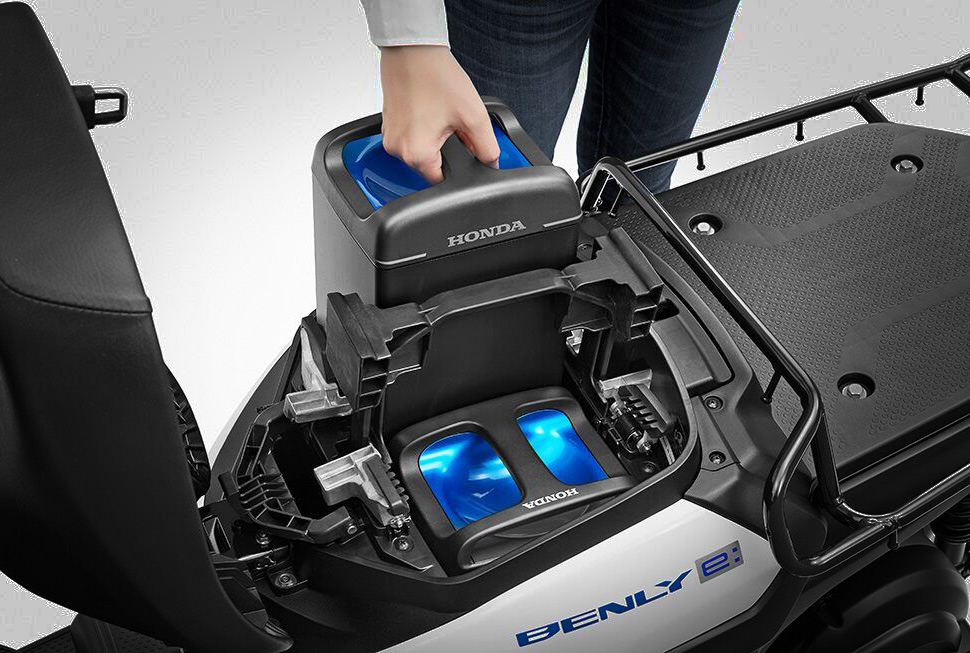
Cara Merawat Baterai Motor Listrik agar Tidak Cepat Soak
Baterai adalah komponen paling penting pada motor listrik karena menjadi sumber utama tenaga untuk menggerakkan motor. Umumnya motor listrik di Indonesia menggunakan baterai jenis lithium-ion, yang memang tahan...

Daftar Mobil Listrik Terbaik 2025 di Indonesia: Harga, Jarak Tempuh, dan Fitur
Mobil listrik semakin populer di Indonesia berkat dukungan insentif pemerintah, biaya operasional yang lebih murah, dan semakin...
El trasfondo normativo y la búsqueda de horizontes globales
El mundillo de las apuestas online ha cambiado una barbaridad este año. Ya no vale con entrar en la primera página que te sale en Google o dejarse...
Η άνοδος της Paysafecard στα ελληνικά casino
Κοιτάξτε, ας είμαστε απόλυτα ειλικρινείς μεταξύ μας. Ο κόσμος του διαδικτυακού τζόγου στην Ελλάδα έχει αλλάξει ρίζες, δομή και πρόσωπο τα τελευταία χρόνια, και όχι απαραίτητα με τον...

Di tengah persaingan global yang makin ketat, perjanjian dagang Indonesia-Uni Eropa atau dikenal dengan Comprehensive Economic Partnership Agreement (CEPA) menjadi titik balik penting dalam memperkuat posisi Indonesia di...
Merek Mobil Terlaris di Indonesia Juni 2025: Toyota Unggul, Wuling Air EV & Chery Melesat
Industri otomotif Indonesia di pertengahan tahun 2025 menunjukkan dinamika persaingan yang semakin ketat. Data penjualan nasional bulan Juni mencatat bahwa Toyota masih memimpin sebagai merek mobil terlaris, namun...
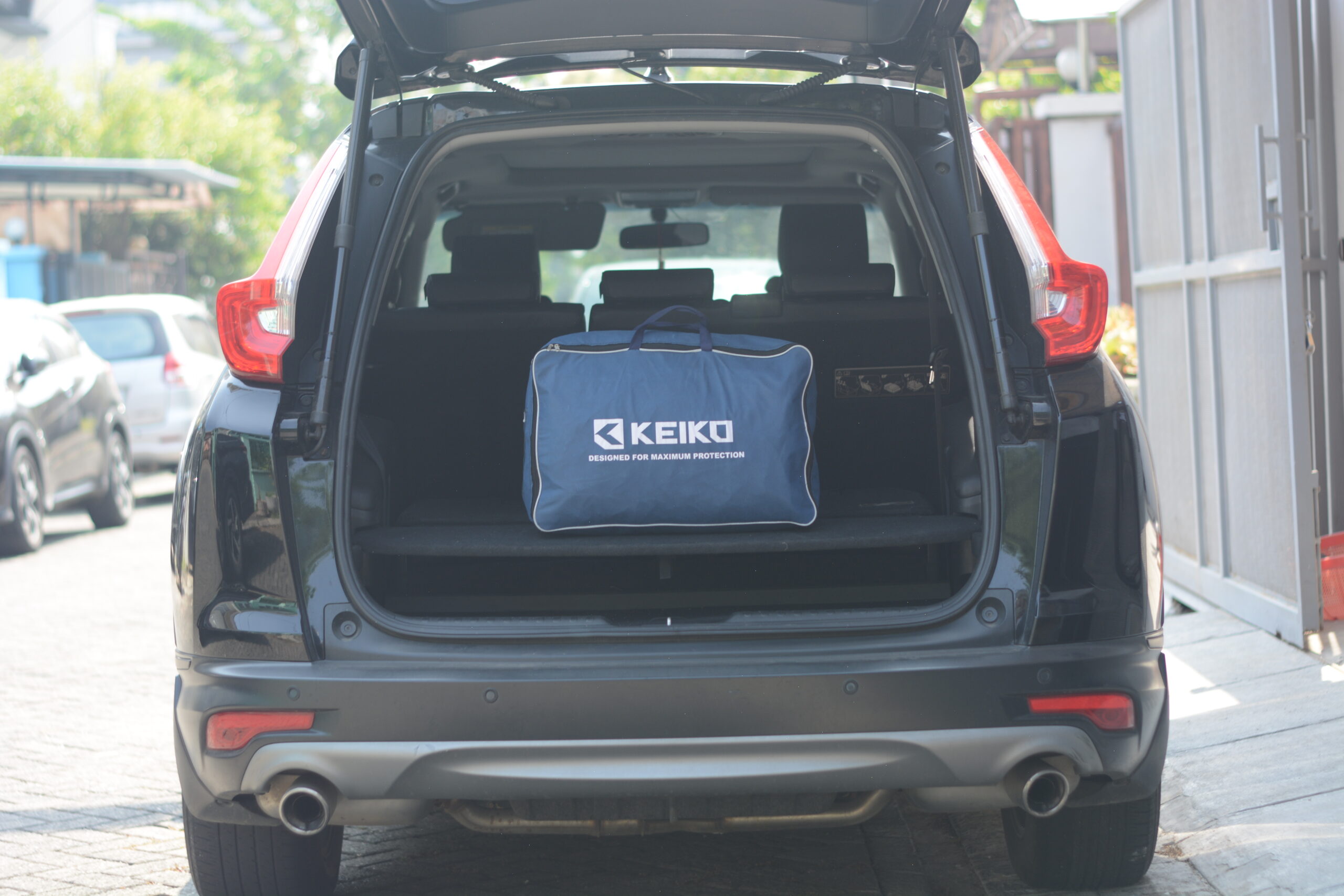
Jangan Sampai Mobil Jadi Gerobak! Ini 5 Tips Melindungi Mobil Anda Saat Hujan di Musim Kemarau
Meski seharusnya sudah memasuki musim kemarau, beberapa wilayah di Indonesia masih sering diguyur hujan secara tiba-tiba. Kondisi cuaca yang tidak menentu ini bisa berdampak langsung pada kondisi mobil...
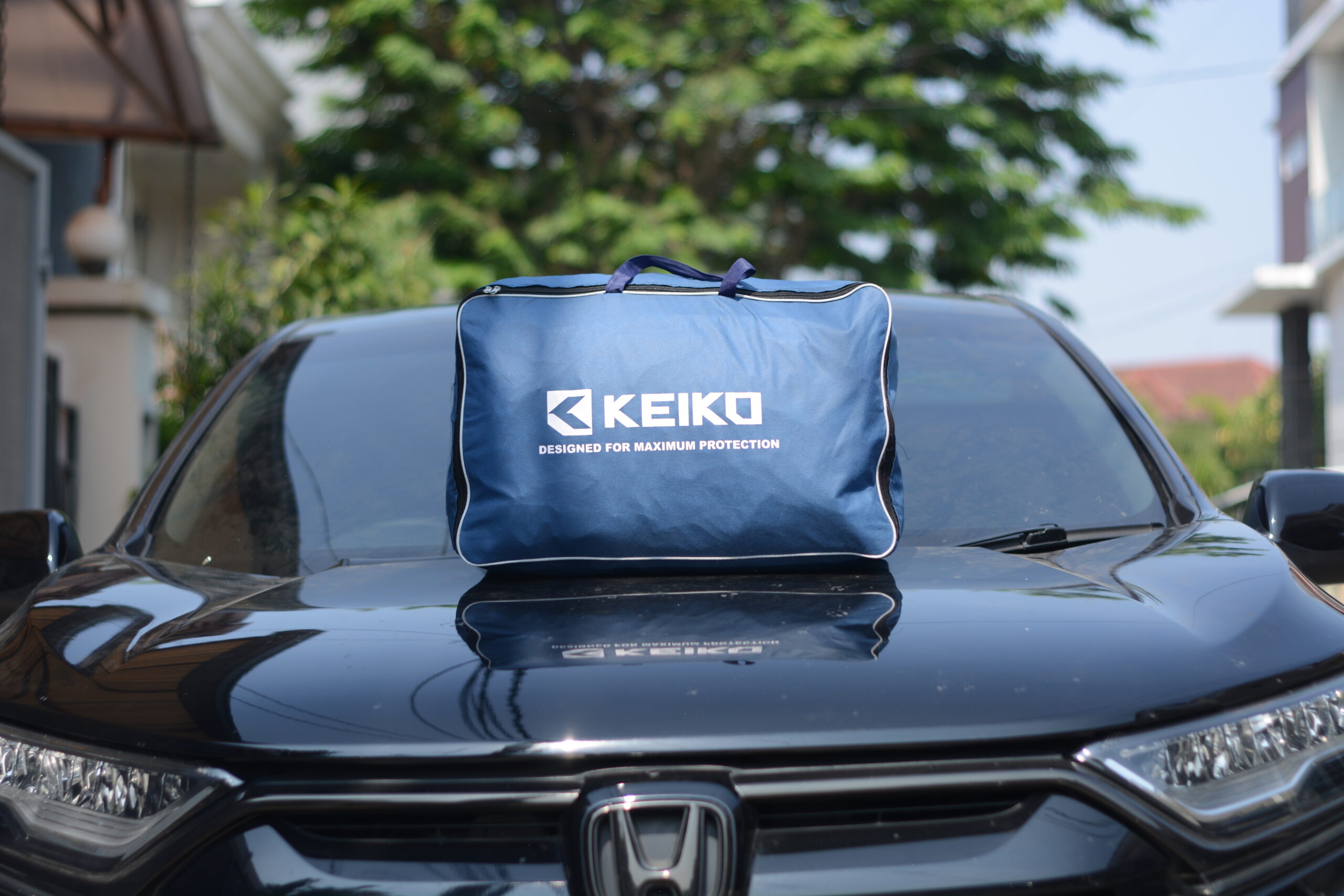
Indonesia dikenal dengan iklim tropisnya yang panas dan lembap, terutama di kota-kota besar seperti Jakarta, Surabaya, dan Medan. Jika Anda sering memarkir mobil di luar ruangan, maka cover...
9 Hal Kecil yang Diam-Diam Bikin Mobil Kamu Cepat Rusak (Nomor 4 Pasti Pernah Kamu Alami)
Jika Anda belum menggunakan sarung mobil, perhatikan gejala ini di kendaraan Anda:
1. Cat Pudar dan Tidak Mengilap Lagi
Sinar matahari langsung bisa merusak lapisan clear coat mobil. Hasilnya, cat...

Bingung Pilih Cover Mobil Terbaik yang Pas Untuk Indoor atau Outdoor? Coba Simak Tips ini!
Pernah Mengalami Masalah Ini?
Bayangkan Anda baru saja mencuci mobil, tetapi keesokan harinya hujan turun dan mobil kembali kotor. Atau mungkin Anda sering memarkir kendaraan di luar dan khawatir...

Sarung Mobil: Perlindungan Optimal untuk Kendaraan Anda
Sarung mobil adalah aksesori penting bagi pemilik kendaraan yang ingin melindungi mobil mereka dari berbagai elemen yang dapat merusak. Dari sinar matahari yang terik hingga hujan lebat, sarung...
Vavada online casino
Обзор казино Vavada автоматы бонусы игры в 2026
Бонусные коды joycasino
Vavada link belépés és regisztráció lépései
Opinie o ofertach i grach w kasynie Vavada
Mengapa Keiko?

ALL-WEATHER SHIELD
Lindungi kendaraan anda dari panas terik hingga hujan deras.

TERLINDUNG DARI CAKARAN BINATANG
Penggunaan material yang lebih premium berikan perlindungan ekstra dari cakaran binatang.

UKURAN PRESISI
Dirancang dengan ukuran yang presisi untuk berbagai tipe kendaraan.

3-LAYERS PROTECTION
Tiga lapisan perlindungan berikan proteksi dari debu, air, dan sinar UV.

CEPAT & MUDAH DIPASANG
Praktis & mudah dipasang sendiri dalam hitungan detik
